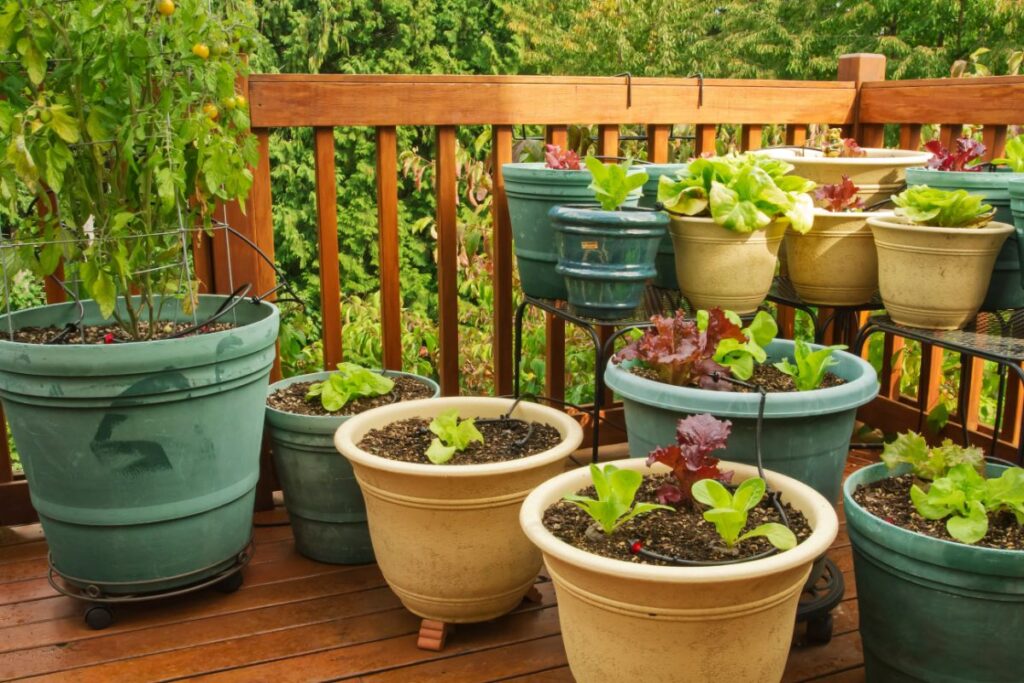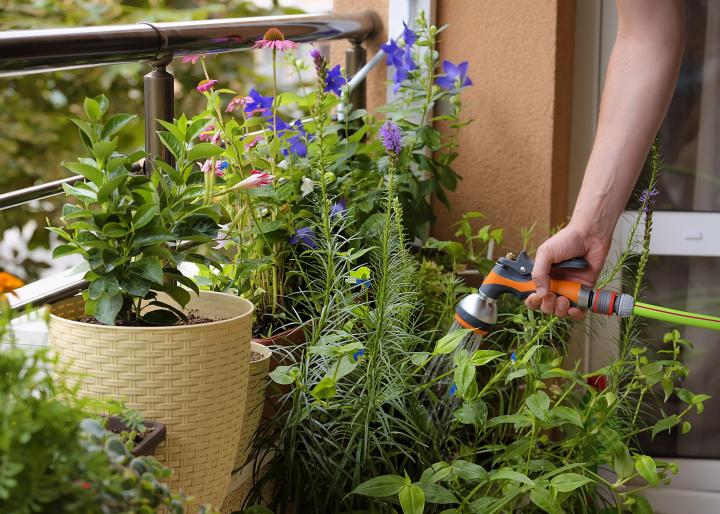
Balcony gardening has gained immense popularity in urban spaces, offering a chance to reconnect with nature even in high-rise living. However, many aspiring gardeners hesitate to start because they assume gardening requires a large financial investment. The truth is, you don’t need deep pockets to grow a thriving green space. With smart choices, a little creativity, and patience, gardening on a budget is not only achievable—it can be incredibly rewarding. In this guide, we’ll walk you through how to transform your balcony into a lush, productive space without breaking the bank.
Start with a Clear Plan
Before rushing to the nearest nursery or filling your cart with gardening tools online, take a step back and create a thoughtful plan. Budget gardening begins with clarity. Assess the amount of sunlight your balcony receives, what you hope to grow—herbs, flowers, vegetables, or a mix—and how much time you can realistically devote to plant care. Planning prevents wasteful spending and ensures every purchase contributes to your goal.
Rather than buying everything at once, make a phased list of what you truly need to get started. This way, you’re less likely to overspend and more likely to buy items that match your setup. Many beginner gardeners make the mistake of getting too many plants, only to discover that half of them don’t thrive in their balcony conditions.
Repurpose and Upcycle Containers
You don’t need fancy pots or designer planters to grow healthy plants. One of the easiest ways to save money is by reusing containers you already have at home. Yogurt cups, old plastic bottles, tin cans, broken buckets, wooden crates, and even food storage containers can be turned into unique planters.
Just make sure to poke drainage holes at the bottom of each container. Drainage is crucial for root health, and it doesn’t cost a thing to make. With a bit of paint or twine, even the most ordinary container can look stylish and rustic on your balcony.
Not only does this approach save money, but it also contributes to reducing plastic waste. Gardening becomes not just a personal hobby but also an eco-conscious lifestyle.
Use Seeds Instead of Seedlings
Buying seedlings from nurseries can be convenient, but it often costs significantly more than growing from seeds. A single packet of seeds costs a fraction of the price and can yield multiple plants over time. It also gives you the opportunity to experiment with different plant varieties and learn how to nurture them from the very beginning.
If you’re gardening on a budget, seeds are your best friends. For herbs like basil, cilantro, and parsley or leafy greens like spinach and lettuce, seeds are incredibly cost-effective. You can even save seeds from vegetables you buy for cooking, such as tomatoes, chili peppers, or bell peppers.
Learning to propagate from seeds is a valuable skill that pays off season after season, reducing your dependence on buying new plants.
Compost Kitchen Scraps at Home
One of the smartest ways to cut costs is to make your own compost. Instead of buying synthetic fertilizers, turn your kitchen waste into rich, organic nourishment for your plants. Items like vegetable peels, fruit scraps, eggshells, coffee grounds, and tea leaves can all go into a small compost bin.
Balcony composting can be done in compact bins or buckets with proper ventilation. Bokashi bins or vermicomposting (composting with worms) are great for small spaces. Within weeks, your waste transforms into a nutrient-rich substance that helps your plants thrive—without spending a dime.
This approach not only supports your gardening goals but also significantly reduces the amount of waste that ends up in landfills.
Choose Low-Maintenance and High-Yield Plants
If you’re new to gardening or trying to save money, it’s wise to focus on plants that require less care but still provide great returns. Herbs like mint, basil, and thyme grow quickly and can be harvested multiple times. Leafy greens like lettuce, kale, and arugula are fast growers and can be picked repeatedly with the cut-and-come-again method.
Tomatoes, chilies, and beans are excellent choices for balcony growers looking for productivity without constant upkeep. Flowers such as marigolds, zinnias, or nasturtiums also require minimal attention and often thrive in containers. These plants not only beautify your balcony but also invite pollinators like bees and butterflies, which can help if you’re also growing vegetables or fruits.
Investing in the right plants from the beginning reduces the chance of failure, helping you stay motivated and cost-efficient.
Make Your Own Gardening Tools
Professional gardening tools can be expensive and sometimes unnecessary for a small balcony garden. With a little DIY spirit, you can repurpose household items into functional tools. Old spoons can become trowels, chopsticks can be plant markers or support stakes, and plastic knives can be used to till soil in containers.
Even watering cans can be improvised from used milk jugs or bottles. Poke small holes in the cap and you’ve got a handy watering system. This saves you money and minimizes household waste.
If you do need to purchase tools, opt for secondhand shops, community exchanges, or online marketplaces where gently used items are sold at reduced prices.
Take Advantage of Free Resources
There’s a wealth of free information and gardening resources online and in your local community. Libraries often carry books on balcony gardening. YouTube is filled with budget gardening tutorials, from how to grow herbs in limited light to making your own compost bins.
Many plant groups on social media host seed exchanges or giveaways. Local community centers or gardening clubs may offer workshops where you can get free seedlings, cuttings, or soil advice.
You can also ask friends or neighbors for plant cuttings or extra seeds. Gardening tends to bring out generosity in people, and sharing becomes part of the joy of growing.
Use Homemade Pest Control
Chemical pesticides can be both expensive and harmful, especially in confined balcony spaces. Luckily, you can make effective pest repellents at home using ingredients already in your kitchen. Garlic spray, neem oil mixtures, chili water, and diluted soap sprays are popular natural remedies.
These solutions are not only budget-friendly but also safer for children, pets, and pollinators. Regular inspection of your plants and immediate treatment of issues can prevent infestations and reduce the need for costly interventions later.
Collect Rainwater When Possible
Water bills can rise during the growing season, especially if you’re maintaining a large number of containers. Collecting rainwater is a sustainable and cost-effective way to water your plants. Set out wide buckets or tubs during rainy days and store the water for future use.
Even if you live in an apartment, collecting rainwater from your balcony’s edge or railing with containers can go a long way. Always make sure collected water is covered or used quickly to avoid attracting mosquitoes.
Monitor and Reuse Soil Smartly
Soil is often a recurring expense, but with proper maintenance, it can be reused multiple times. After each growing cycle, replenish the soil with compost and aerate it to bring back its nutrients and structure. Avoid throwing away potting mix after one use.
If your plants suffered from pests or diseases, treat the soil with natural remedies or solar sterilization (placing it in a clear plastic bag under the sun for a few days) before reusing. Over time, you’ll learn how to amend soil naturally and keep it productive for years to come.
Embrace Patience and Experimentation
Gardening on a budget isn’t about perfection; it’s about progress. Sometimes plants won’t thrive, or homemade tools might not work as expected. That’s part of the journey. Be open to experimenting and learning from what doesn’t work.
Over time, you’ll figure out which plants love your balcony’s light and weather, what soil mix works best, and how to make your own affordable fertilizers or pest controls. This personal knowledge is more valuable than any expensive gardening guide or equipment.
With patience and persistence, your balcony will become a budget-friendly sanctuary filled with life, color, and possibly even food.
Final Thoughts
Gardening on a budget is not only doable—it’s often more fulfilling than spending lavishly. Each reused pot, homemade spray, or freshly grown herb carries a story of creativity and care. Balcony gardening is less about space and more about intention. When you combine smart planning with resourcefulness, your small outdoor area can bloom into a personal oasis, even with a shoestring budget.
Start small, reuse what you can, and grow your skills along with your plants. Your wallet—and your balcony—will thank you.