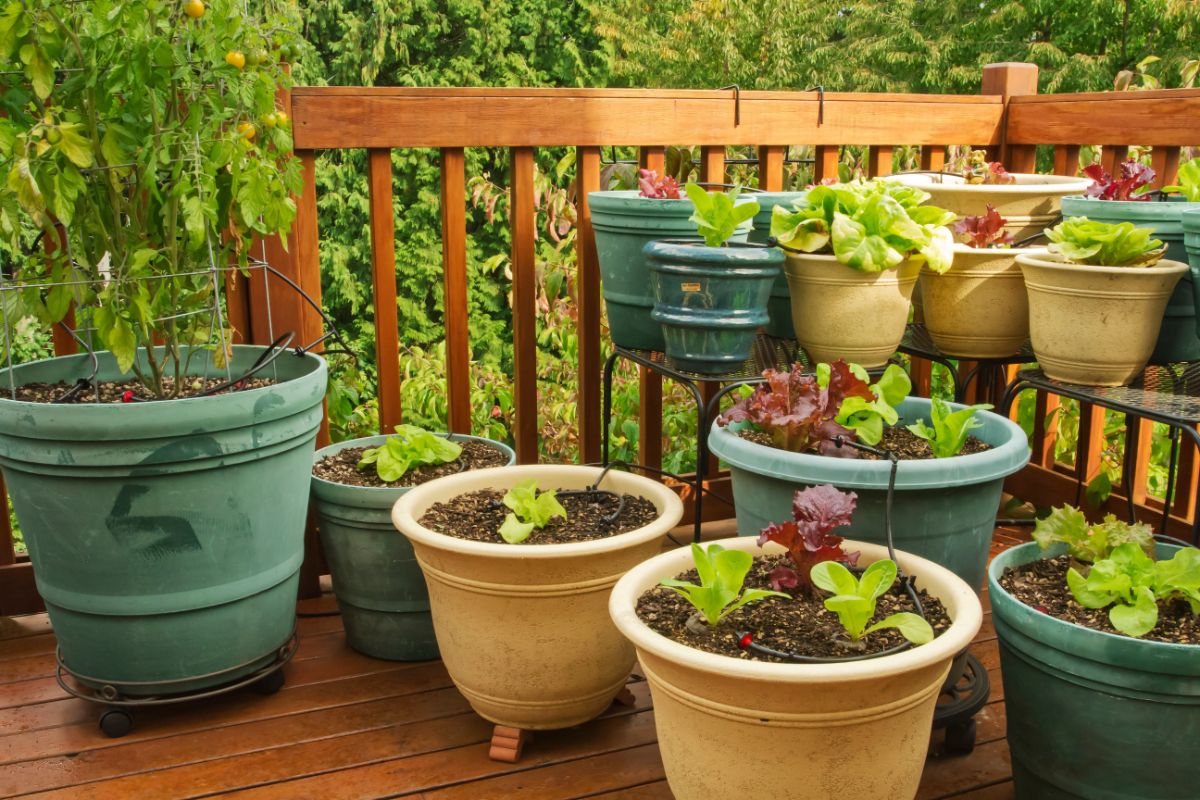
Creating a lush balcony garden is one of the most satisfying ways to bring nature into your urban life. Whether you live in a small apartment or a high-rise with a limited outdoor area, a well-thought-out balcony garden can become a sanctuary of greenery and calm. But before you pick your plants, the first and most important decision is choosing the right containers. The containers you select will directly impact plant health, aesthetic appeal, water management, and overall space usage.
This detailed guide will walk you through everything you need to know about selecting the right containers for your balcony garden—based on materials, drainage, size, shape, sun exposure, plant type, and your lifestyle.
Understanding the Role of Containers in Balcony Gardening
Containers are more than just decorative vessels. They are the homes your plants will live in. A good container supports root development, ensures proper drainage, retains enough moisture, and protects your plant from harsh weather. The wrong one can lead to stunted growth, root rot, or poor flowering and fruiting. Balcony gardens usually face unique challenges such as space constraints, wind exposure, and limited access to natural soil, which makes container selection even more critical.
Assessing Your Balcony Environment First
Before you even browse containers, take a close look at your balcony’s environment. Observe how many hours of sunlight the space gets daily, and whether it’s direct or filtered. Also, pay attention to the wind exposure—high balconies often experience strong gusts that can dry out soil or topple lightweight containers.
Think about how much weight your balcony can support. Terracotta and ceramic containers are heavy, especially when filled with wet soil and large plants. If you’re planning to have multiple containers, the weight can add up quickly. In this case, lightweight plastic or fiberglass might be a safer choice.
Material Matters: Choosing the Right Container Type
Container materials play a huge role in the plant’s health and maintenance. Each type has its pros and cons, and the best choice depends on your lifestyle and the specific needs of your plants.
Clay or terracotta pots are a popular option for their breathability and rustic charm. They allow moisture and air to move through the walls, which prevents overwatering and promotes healthy roots. However, they can dry out quickly in hot weather and are prone to cracking during the winter.
Plastic containers are affordable, lightweight, and come in a variety of colors and shapes. They retain moisture better than terracotta and are suitable for people who may forget to water frequently. But they can overheat in strong sun, which may stress plant roots.
Metal containers, while modern and stylish, heat up fast in direct sun. This can lead to scorched roots unless you provide insulation or use them only in shaded areas. They are durable but may rust over time if not properly coated.
Wooden planters offer a natural look and are relatively good at insulation. However, wood decomposes over time and may harbor pests if not treated properly. If you opt for wood, make sure it’s rot-resistant like cedar, and avoid chemically treated lumber that may leach toxins into the soil.
Ceramic and glazed pots retain moisture better than terracotta and are great for decorative balcony gardens. They are also heavier, which provides stability, but make sure your balcony can handle the added weight.
Size and Shape: Not Just a Matter of Style
Container size should match the plant’s root system. Small pots may look cute but dry out quickly and restrict root growth. A plant struggling in a cramped pot may never thrive, no matter how much care it gets. Larger pots hold more soil, which retains water longer and provides more room for roots to grow.
Taller pots are ideal for deep-rooted plants like tomatoes, while shallow containers work well for herbs and succulents. Wide containers are great for grouping multiple plants, like creating a mini herb garden in one large pot. However, oversized pots can also lead to waterlogged soil if the plant doesn’t absorb moisture quickly.
Container shape affects how the soil retains water. Round pots are common and versatile. Rectangular planters fit snugly against railings and walls, making the best use of narrow spaces. Hanging baskets or vertical pockets are useful for growing trailing plants or adding greenery to eye level.
Drainage: A Non-Negotiable Feature
No matter how beautiful or expensive your container is, if it lacks proper drainage, your plants are at risk. Roots that sit in soggy soil are vulnerable to rot, a deadly condition for most species. Look for containers with pre-drilled drainage holes at the bottom. If a container doesn’t have any, consider drilling some yourself or using it only as a decorative cachepot over a smaller, well-drained pot.
To prevent soil from spilling out through the holes or to improve drainage, you can line the bottom with gravel or broken pottery. However, modern gardening experts now emphasize that good-quality potting mix and proper hole placement are often more effective than layering materials inside the container.
If you’re gardening on a balcony, water runoff is also a concern. Make sure to use saucers or trays under your pots to catch excess water. This protects your balcony floor and prevents disturbing neighbors below.
Matching the Container to the Plant Type
Different plants have different root structures, growth patterns, and soil needs. Leafy greens like lettuce, spinach, and arugula can thrive in shallow containers. Root vegetables like carrots and radishes require deeper containers for the roots to develop properly.
Herbs like basil, thyme, and oregano are great for medium-sized pots and often do well in mixed containers. Tomatoes, peppers, and eggplants need large, deep pots with a sturdy base, as they become heavy when fruiting.
For ornamental plants like geraniums or petunias, focus on containers that allow proper root space while also showcasing the plant’s aesthetic. If you’re planting climbers or vines, opt for deep containers that support stakes or trellises.
Always research the specific needs of each plant before assigning it a home. One-size-fits-all rarely works in container gardening.
Considering Maintenance and Lifestyle
Your personal habits and daily routine matter more than you think. If you’re a frequent traveler or forget to water often, self-watering containers or moisture-retaining materials like glazed ceramic may be the best option. These containers have built-in water reservoirs at the base that gradually hydrate the soil over time.
If you enjoy hands-on gardening and can monitor your plants closely, traditional containers will offer more flexibility. But if convenience is a priority, especially in a busy urban life, go for container systems that reduce daily effort.
Also consider how easy it is to move the container. Wheels or lightweight materials can be helpful if you plan to rearrange your garden seasonally or bring plants indoors during harsh weather.
Aesthetic and Design Considerations
While function comes first, don’t ignore form. Your balcony is an extension of your living space, and container selection plays a major role in setting the tone. Match containers with your balcony furniture, railing, and overall décor. Neutral-toned containers give a sleek and modern look, while colorful pots can add a vibrant, playful feel.
Uniform container styles can create a cohesive, curated appearance, whereas mixing styles and textures adds character. Just ensure they all meet the practical needs of your plants.
Using vertical containers, hanging planters, or railing-mounted pots can enhance your available space without cluttering the floor. Layering plants by height also gives depth and visual appeal.
Sustainable Container Choices
If sustainability matters to you, consider eco-friendly containers made from biodegradable or recycled materials. Coconut fiber planters, upcycled wooden crates, or containers made from recycled plastic can be great options. Not only are these better for the planet, but they also add a unique charm to your balcony garden.
Additionally, repurposing household items like old buckets, tin cans, or unused kitchenware can be both cost-effective and environmentally responsible. Just make sure they have adequate drainage and are safe for plant growth.
Final Thoughts: Choose with Purpose
Choosing the right containers for your balcony garden is not a one-size-fits-all process. It requires careful thought about your environment, plant types, maintenance preferences, and aesthetic goals. The ideal container should balance practicality and beauty—offering your plants a healthy foundation while contributing to the overall ambiance of your outdoor space.
With a little planning, you can turn even the smallest balcony into a thriving green haven where your plants not only grow but truly flourish.