Balcony gardening is a rewarding way to stay connected with nature—even if you live in a high-rise building. But like any garden, your balcony plants need to adapt to the changing seasons. A well-planned seasonal balcony garden ensures year-round beauty, fresh herbs, and even a mini harvest if you choose edible varieties. The key is understanding what to plant and when. In this comprehensive guide, we’ll walk you through everything you need to know to grow a thriving balcony garden that transitions beautifully through spring, summer, fall, and winter.
Understanding Seasonal Gardening on a Balcony
Balcony gardening isn’t just about choosing pretty plants. It’s a thoughtful practice that considers sunlight, wind exposure, temperature shifts, and plant lifecycles. When you understand your balcony’s microclimate, you can better choose what to plant each season. Whether you’re working with a compact urban space or a sprawling veranda, tailoring your garden to the seasons makes maintenance easier and improves plant health.
Balconies facing south usually get the most sunlight, making them perfect for heat-loving summer crops. East and west-facing balconies are great for morning or afternoon sun, and north-facing balconies are better for shade-loving plants. Once you understand your balcony’s sun pattern, choosing seasonal plants becomes much simpler.
Spring: A Time for New Growth
Spring is when your balcony garden wakes up from its winter slumber. As the temperatures begin to rise and days get longer, it’s the perfect time to refresh the soil, clean your containers, and sow seeds. Cool-season crops thrive during this period, and flowers start to bloom beautifully with the mild warmth.
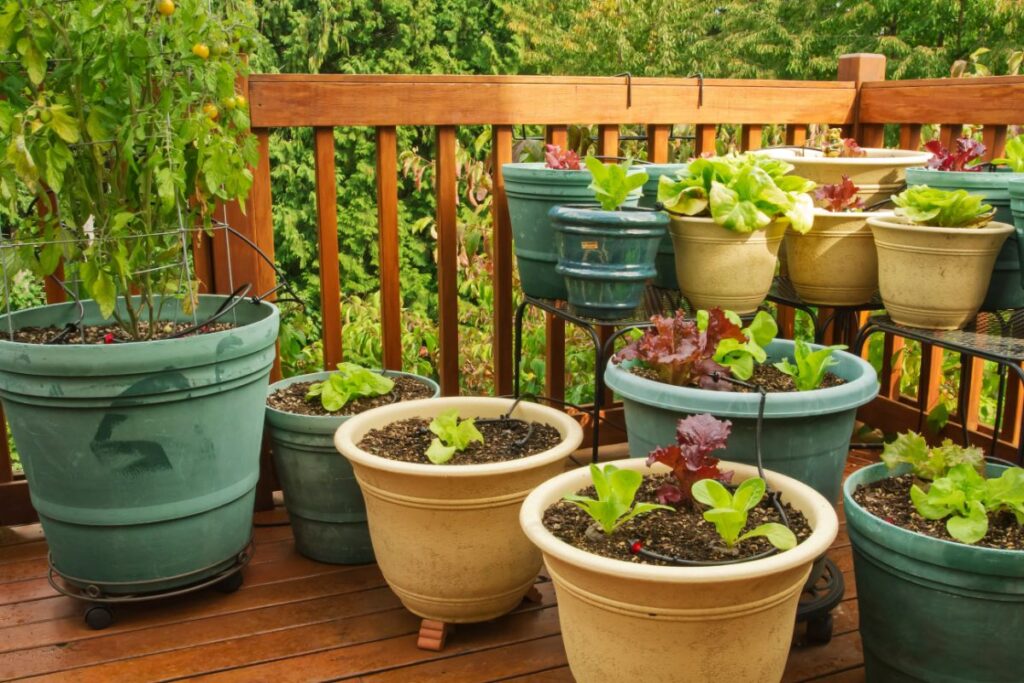
Herbs like parsley, dill, and cilantro grow exceptionally well in spring. These aromatic additions are easy to grow in pots and can be harvested frequently. Leafy greens like spinach, arugula, and lettuce also thrive in the spring sun. They mature quickly and offer a satisfying harvest within weeks of planting. If you’re into flowers, pansies, petunias, and snapdragons bring early color and can withstand mild spring chills.
Don’t forget to fertilize lightly and keep the soil moist but not soggy. With the right care, your balcony can become a lush haven of greens and florals by the time spring ends.
Summer: Embracing the Heat
Summer is the season when your balcony garden can truly explode with color, fragrance, and productivity—especially if your space gets a lot of sun. Warm-weather crops thrive in this season, and daily growth becomes quite noticeable.
Tomatoes, peppers, and bush beans are excellent summer choices for edible gardening. They require deep containers, consistent watering, and full sun exposure. If you’re looking for fast-growing produce, cucumbers and zucchini can be grown in vertical containers or hanging baskets to save space while enjoying a generous yield.
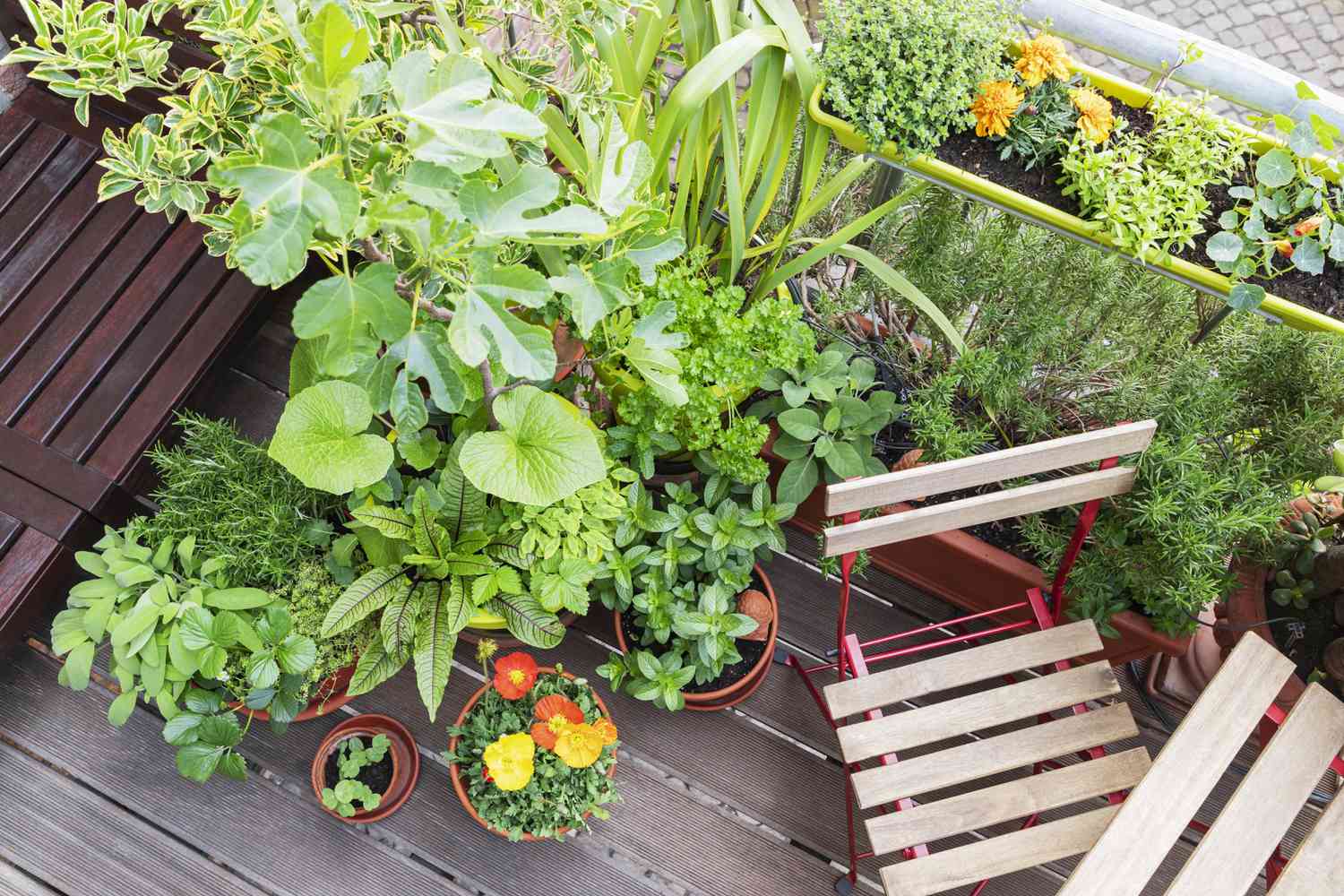
For flowers, marigolds, geraniums, and zinnias perform exceptionally well in the heat and bring vivid bursts of color. Consider adding lavender or rosemary not just for their aroma but also because they attract pollinators like bees and butterflies, creating a lively ecosystem on your balcony.
Watering becomes critical in summer. Because balcony pots dry out quickly under direct sun, early morning or late evening watering helps plants retain moisture. Adding mulch around the base of plants also helps reduce water evaporation.
Fall: Preparing for Transition
As the temperature begins to dip, your summer plants will start slowing down. But fall is far from a dead season. In fact, it’s an ideal time to plant another round of cool-weather crops and enjoy a second mini-harvest before winter.
Root vegetables like radishes and carrots grow well during fall, especially in deep containers with good drainage. Kale, chard, and mustard greens also flourish during this time, as they can tolerate cooler weather and even improve in flavor after a light frost.
Fall is also the season for ornamental plants. Chrysanthemums and asters offer a warm autumn palette of oranges, reds, and yellows that pair beautifully with the changing leaves outdoors. You can also add decorative pumpkins or gourds for a festive touch to your fall-themed balcony.
This is the time to remove any exhausted summer plants, clean pots, and check for pests that might be hiding as the weather cools. Mulching helps insulate roots, and covering delicate plants with breathable fabric during colder nights can extend their lifespan.
Winter: Embracing the Stillness
Winter might seem like a dormant time for balcony gardening, but it doesn’t mean your space has to be bare. With a little creativity and smart planning, your balcony can remain inviting even during the coldest months.
If you live in a mild winter zone, hardy herbs like thyme, oregano, and sage can survive outdoors with minimal care. Winter pansies and ornamental cabbage are excellent cold-tolerant decorative options that can brighten up your balcony during gray days.
For those in colder climates, consider bringing some plants indoors to overwinter. Alternatively, switch your focus to preparing for spring by composting, repairing containers, and planning next season’s layout. Using evergreen plants in pots—like dwarf conifers or boxwood—adds structure and color to an otherwise bleak winter landscape.
Even without active growth, winter is a time of rest for your garden—and for you. It’s the perfect season to reflect on your past planting choices, learn more about balcony gardening, and dream about the lush spring to come.
Transitioning Between Seasons Gracefully
One of the best aspects of seasonal balcony gardening is that it keeps you in touch with nature’s rhythm. Instead of starting from scratch each season, think about layering your plant choices. Use long-season plants that overlap multiple months with shorter seasonal highlights. For instance, perennial herbs like rosemary can serve as the foundation, while annual flowers and vegetables rotate around them.
Also, consider using containers on wheels to easily move plants into better lighting as seasons shift. Lightweight pots, vertical planters, and rail planters also help make the most of a small balcony space.
When transitioning between seasons, always remove dead plant material and refresh your soil mix. Adding compost or organic fertilizer revitalizes the soil for the new set of plants, keeping your mini-garden productive and healthy.
Maintenance Tips for Year-Round Balcony Gardening
Successful seasonal balcony gardening doesn’t just depend on planting the right things—it’s also about consistency and care. Make time each week to check soil moisture, inspect for pests, and prune dead or damaged foliage. Rotate your pots occasionally so all sides of the plants receive equal light, especially on narrow balconies.
Use a watering can with a narrow spout to avoid overwatering, and be mindful of drainage holes to prevent root rot. Balcony plants are more susceptible to drying winds, so consider placing windbreaks such as bamboo screens or trellises if needed.
Seasonal feeding is also important. Spring and summer often require more nutrients, while fall feeding can focus on root strength. In winter, reduce watering and feeding drastically unless you’re growing indoors under grow lights.
With regular attention and seasonal adjustments, your balcony garden will not only survive but thrive all year long.
Why Seasonal Planning Matters for Urban Gardeners
Urban gardeners face unique challenges—limited space, changing sunlight, pollution, and wind exposure. Seasonal planning offers an elegant solution. Instead of forcing plants to survive outside their natural growing times, you work in harmony with the seasons, creating an eco-friendly and efficient garden system.
Seasonal gardening also helps reduce waste. Rather than over-purchasing and discarding unhealthy plants, you’re more intentional with your plant choices. This rhythm allows you to enjoy fresh produce, blooming flowers, and a stress-free hobby that changes with the seasons, keeping your interest alive and your space dynamic.
If you’ve never thought about your balcony garden in seasonal terms, now is the time to begin. Even one or two thoughtful swaps each season can dramatically improve your gardening results.
Conclusion: Cultivating Joy, One Season at a Time
Balcony gardening isn’t just about plants—it’s about presence. Each season invites a new kind of care, a new rhythm of growth. From the energetic burst of spring to the quiet rest of winter, your balcony can reflect the best of what each season offers. It takes planning, patience, and experimentation—but the payoff is a living space that feels like a green sanctuary year-round.
Whether you’re a beginner or a seasoned plant lover, planting with the seasons ensures that your garden grows with intention. So grab your tools, tune into the weather, and let your balcony bloom one season at a time.