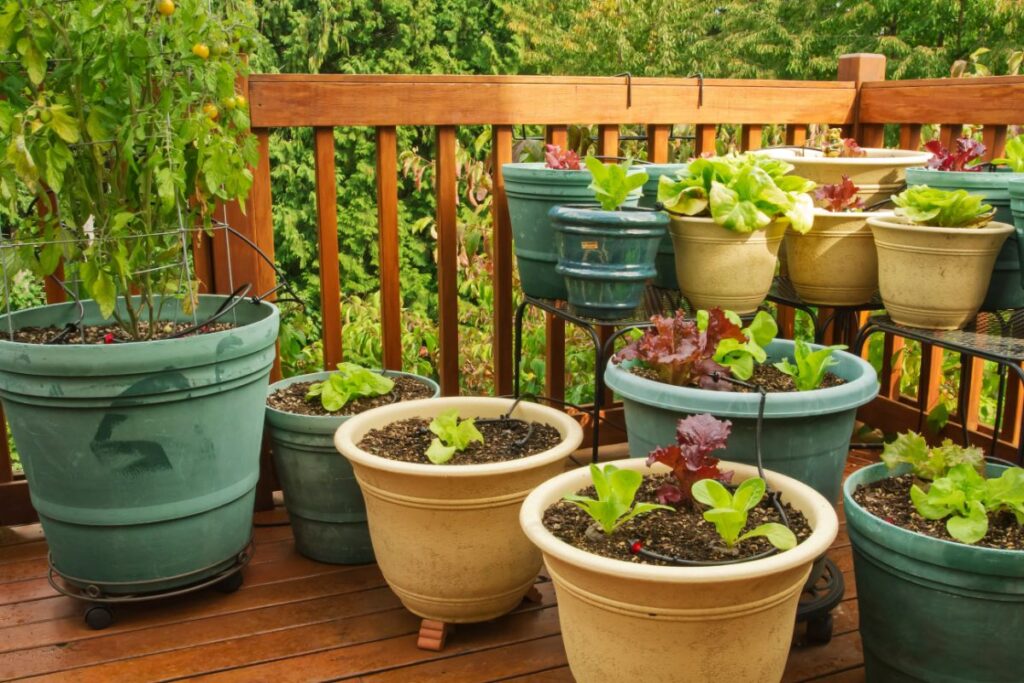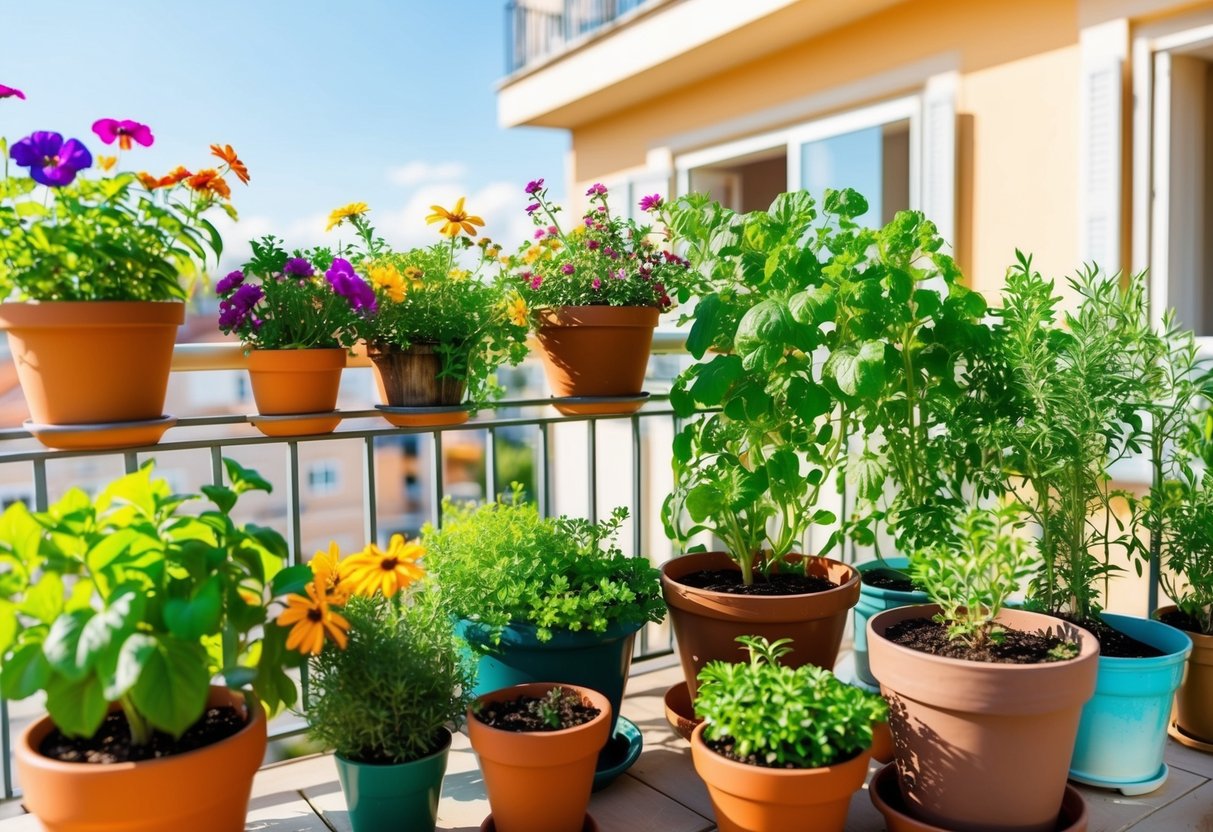
Having a sunny balcony is a gardener’s dream come true, especially for herb lovers. The warm, bright conditions provide the perfect environment to grow many types of herbs that thrive under full sunlight. Whether you have a small urban balcony or a larger terrace, cultivating your own herb garden not only enhances your cooking but also adds a burst of greenery and fresh fragrance to your living space.
Growing herbs on a sunny balcony can be incredibly rewarding but requires an understanding of which herbs do best in these conditions and how to care for them to ensure they flourish. This guide will introduce you to some of the best herbs suited for a sunny balcony and provide detailed tips on their care, so your herb garden can thrive all season long.
Why Choose Herbs for a Sunny Balcony?
Herbs are ideal plants for balconies because they are generally compact, require minimal space, and can grow well in containers. Many herbs prefer full sun, making a sunny balcony the perfect spot to cultivate them. Sunlight encourages healthy growth and enhances the flavor and aroma of herbs, ensuring you get the best from your homegrown harvest.
Additionally, herbs like basil, rosemary, and thyme are drought-tolerant and thrive with minimal watering once established, which suits balcony gardening where water drainage can sometimes be a challenge. Growing herbs also offers a practical benefit: you always have fresh seasoning on hand for cooking, and some herbs have medicinal or aromatherapeutic properties that promote well-being.
The Best Herbs to Grow on a Sunny Balcony
While many herbs can grow in partial shade, the following herbs specifically love abundant sunlight and will flourish in a sunny balcony setting.
1. Basil (Ocimum basilicum)
Basil is one of the most popular culinary herbs, renowned for its sweet, aromatic leaves that perfectly complement Mediterranean dishes. Basil loves warm temperatures and full sun, ideally six to eight hours of direct sunlight each day. It is a tender annual that thrives in well-draining soil and requires regular watering, though it dislikes being waterlogged.
Basil grows quickly and responds well to pruning. Regularly pinch off the flower buds to encourage leaf growth and prevent it from bolting. Container basil plants prefer pots at least 8-10 inches deep with quality potting mix enriched with compost.
2. Rosemary (Rosmarinus officinalis)
Rosemary is a hardy, woody herb with needle-like leaves that emit a strong, pine-like aroma. It thrives in full sun and prefers a slightly drier environment compared to other herbs, making it perfect for sunny balconies that tend to dry out faster.
This perennial herb needs well-drained soil, and overwatering can cause root rot. Rosemary tolerates drought well once established, so watering should be moderate. It can grow quite large in a container, so choose a deep, wide pot and trim it regularly to maintain shape and encourage fresh growth.
Rosemary’s fragrant leaves are perfect for seasoning meats, vegetables, and breads, and its resilience makes it a favorite among balcony gardeners.
3. Thyme (Thymus vulgaris)
Thyme is a low-growing, woody herb with small green leaves and a subtle earthy flavor. It requires full sun and is drought-tolerant, making it ideal for balconies that get plenty of light. Thyme prefers sandy, well-draining soil and does well in shallow pots due to its compact root system.
Because thyme can spread, planting it in its own container helps prevent overcrowding. It grows well in warm climates and benefits from regular harvesting, which keeps the plant bushy and healthy. Thyme adds a delightful flavor to soups, stews, and roasted dishes.
4. Oregano (Origanum vulgare)
Oregano is a robust perennial herb known for its pungent, slightly bitter flavor widely used in Italian and Mediterranean cooking. It loves full sun and well-drained soil, thriving with at least six hours of sunlight daily.
Oregano is drought-tolerant but appreciates occasional watering during extended dry periods. It spreads rapidly, so container gardening is excellent to keep it contained. Regular harvesting encourages fresh, tender growth.
On a sunny balcony, oregano can become a fragrant, bushy plant that provides fresh seasoning for a variety of dishes.
5. Sage (Salvia officinalis)
Sage is a perennial herb with soft, grayish-green leaves that have a strong earthy aroma. It loves full sun and well-draining soil, preferring slightly drier conditions.
Sage can be quite hardy once established and tolerates heat well. Overwatering is the biggest risk for sage, so allow the soil to dry out slightly between waterings. Pruning after flowering helps keep the plant compact and encourages new growth.
Its leaves are excellent for flavoring meats, stuffing, and sauces. The unique aroma of sage also makes it a great addition to a sunny balcony garden.
6. Mint (Mentha spp.)
Though mint prefers some shade, certain varieties can adapt well to sunny balconies if adequately watered. Mint is an aggressive grower that spreads rapidly via underground runners, so it is best grown in pots to control its expansion.
Mint loves moist soil and benefits from regular watering. On a sunny balcony, ensure it gets enough water but avoid waterlogging the roots. The refreshing flavor of mint makes it ideal for teas, desserts, and salads.
Its vigorous growth means you’ll have an abundant supply, but keep a close eye so it doesn’t overtake other herbs.
Caring for Your Balcony Herbs in Sunny Conditions
Watering
Herbs in containers dry out faster than those planted in the ground because pots have limited soil volume. Sunny balconies accelerate evaporation, so consistent watering is essential. However, each herb has its own watering needs.
For example, basil and mint prefer moist soil but not soggy, so water when the top inch of soil feels dry. Rosemary, thyme, and sage prefer drier soil and benefit from allowing the soil to almost dry between watering sessions to avoid root rot. It’s crucial to water early in the morning or late in the afternoon to reduce evaporation and let the plant absorb moisture efficiently.
Using containers with drainage holes is essential to prevent waterlogging.
Soil and Fertilization
Quality potting soil with good drainage is a must for balcony herbs. Most herbs dislike heavy, compacted soils that retain too much water.
Adding organic compost or slow-release fertilizer helps provide steady nutrients. Liquid fertilizers diluted to half strength every 4 to 6 weeks can boost growth, especially for fast-growing herbs like basil and mint.
Since herbs are grown in limited soil volume on balconies, nutrient depletion happens faster, so regular feeding supports healthy, lush growth.
Pruning and Harvesting
Regular pruning encourages bushier plants and prevents herbs from flowering too soon, which can cause leaves to become bitter.
For herbs like basil, pinching the top sets of leaves encourages the plant to produce more foliage. For woody herbs like rosemary and thyme, trimming back about one-third of the plant helps maintain shape and vitality.
Harvest herbs frequently by cutting stems just above a leaf node. This promotes new shoots and prolongs the productive life of the plant.
Managing Heat and Wind
Sunny balconies often experience heat buildup and exposure to wind, both of which can stress herbs.
During heatwaves, it’s beneficial to provide some afternoon shade using a lightweight fabric or shade cloth to prevent scorching.
Strong winds can dry out plants quickly and damage delicate stems. Positioning pots near a wall or using windbreaks helps protect your herbs.
Potting and Container Tips for Sunny Balcony Herbs
Choosing the right containers can make all the difference in herb gardening success. Terracotta pots are popular as they allow soil to breathe and dry out faster, preventing root rot. However, they dry out quickly in full sun, so more frequent watering is necessary.
Plastic pots retain moisture longer and are lighter, which can be helpful for balconies where moving pots is common.
Ensure pots are deep enough to accommodate root growth. For most herbs, a depth of at least 8-12 inches is recommended.
Grouping pots together can help create a microenvironment that retains humidity and protects plants from extreme sun or wind.
Common Challenges and How to Overcome Them
Even with ideal conditions, balcony herb gardens can face challenges such as pests, diseases, and nutrient deficiencies.
Aphids, spider mites, and whiteflies are common pests that can be managed by spraying plants with a gentle mix of water and mild soap or introducing beneficial insects like ladybugs.
Powdery mildew sometimes affects herbs in humid climates but usually isn’t a problem on sunny balconies with good air circulation.
Yellowing leaves often indicate overwatering or nutrient deficiency. Adjust watering habits and fertilize appropriately.
Benefits Beyond the Kitchen
Growing herbs on your sunny balcony offers more than just fresh ingredients. The scent of herbs like rosemary, thyme, and sage can act as natural insect repellents, helping keep mosquitoes and flies at bay.
Herb gardens contribute positively to mental well-being, offering a sense of calm and connection to nature, especially in urban environments.
Moreover, harvesting your own herbs reduces the need for plastic packaging from store-bought herbs and supports a more sustainable lifestyle.
Seasonal Care and Overwintering
Most of the herbs mentioned thrive in warm weather and may struggle during cold seasons, especially in temperate regions.
Annual herbs like basil should be replaced each year or grown indoors during winter under grow lights.
Perennial herbs such as rosemary, thyme, and sage can be brought indoors before frost or protected on balconies with frost cloths and mulching.
Planning your balcony garden with a rotation of herbs suited to the season ensures year-round greenery and fresh herbs.
Final Thoughts
A sunny balcony provides the perfect setting to grow a thriving herb garden that enhances your cooking and living space. By choosing the right herbs like basil, rosemary, thyme, oregano, sage, and mint, and understanding their specific care requirements, you can enjoy fresh, flavorful herbs all season long.
Attention to watering, soil quality, pruning, and protection from heat and wind will keep your balcony herbs healthy and productive. Beyond their culinary uses, these fragrant plants bring life, aroma, and a touch of nature to your urban home.
Start small, experiment with different herbs, and soon your sunny balcony will be a vibrant oasis of greenery and flavor.