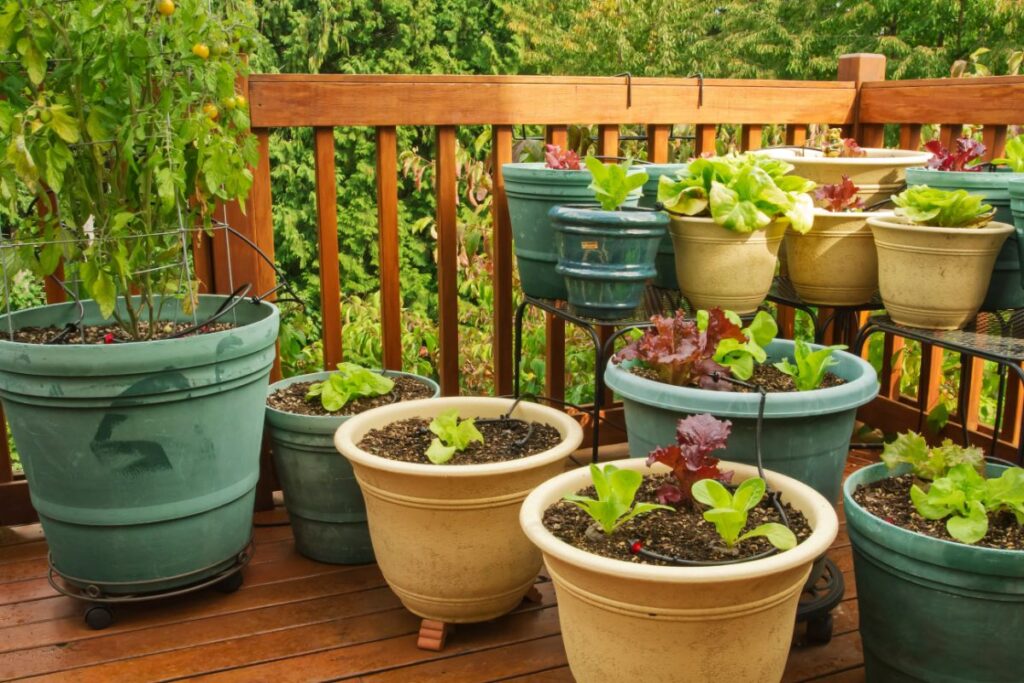
Container gardening is a rewarding and space-efficient way to nurture plants, especially for those living in apartments or homes with limited outdoor space. However, growing healthy container plants requires more than just soil and water—it requires nourishment. While commercial fertilizers are available, many gardeners prefer organic alternatives that are both eco-friendly and gentle on plants. The good news is you can easily make effective organic fertilizers at home using everyday kitchen and garden waste. This post will guide you through some of the best DIY organic fertilizers for container plants that boost growth, improve soil health, and keep your plants thriving year-round.
Why Use Organic Fertilizers for Container Plants?
Container plants are more vulnerable to nutrient depletion than plants growing in open garden beds. This is because the limited amount of soil in pots can lose nutrients quickly as plants grow and water drains. Organic fertilizers provide slow-release nutrients that feed the plants steadily without overwhelming them. Unlike synthetic fertilizers that may contain harsh chemicals, organic options improve the microbial life in the soil, enhancing nutrient uptake and promoting healthier root systems.
Additionally, making your own organic fertilizer at home reduces waste and costs, making it a sustainable choice for eco-conscious gardeners. Using homemade composts and infusions from kitchen scraps recycles nutrients that might otherwise be discarded. For container plants, where soil volume is limited, these organic feeds are particularly beneficial as they maintain soil fertility and moisture retention.
Kitchen Waste-Based Organic Fertilizers
One of the simplest and most effective ways to prepare organic fertilizer is by utilizing kitchen waste. Vegetable peelings, fruit scraps, eggshells, coffee grounds, and even leftover tea leaves can be repurposed to make nutrient-rich fertilizers that container plants will love.
When vegetable and fruit scraps break down, they release essential nutrients such as nitrogen, potassium, and phosphorus, which are the main elements plants need. Eggshells add calcium, a vital mineral for cell wall development and overall plant strength. Coffee grounds contribute nitrogen and improve soil structure, enhancing water retention.
To make a basic organic fertilizer from kitchen scraps, collect your vegetable peelings and fruit scraps in a container. Chop the scraps into small pieces to accelerate decomposition. Add crushed eggshells and used coffee grounds if available. You can either compost this mixture over several weeks or create a liquid fertilizer by soaking the scraps in water for a few days. This “kitchen waste tea” can be strained and poured directly into container plant soil, providing a gentle nutrient boost.
Compost Tea: Liquid Gold for Container Plants
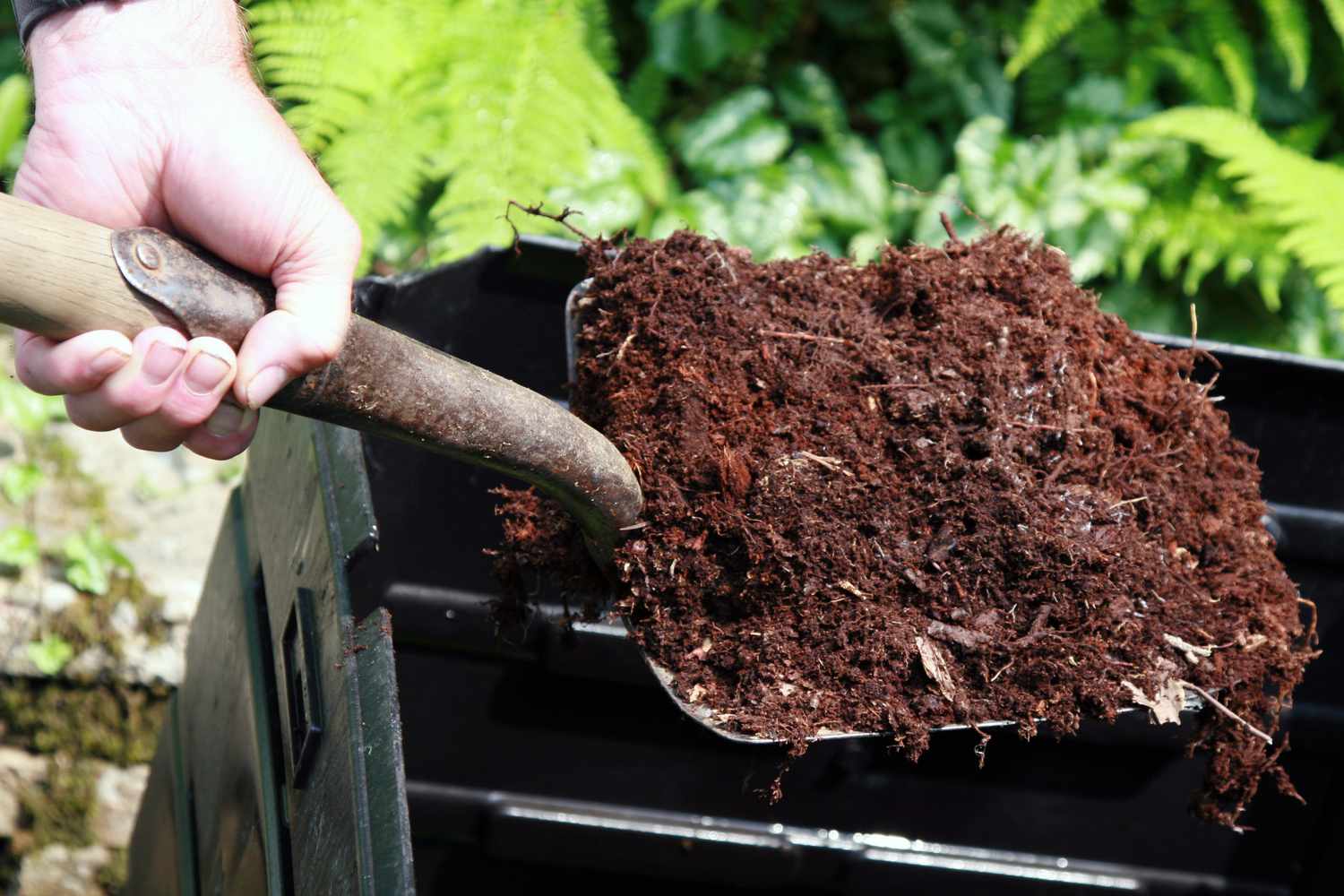
Compost tea is a nutrient-rich liquid fertilizer made by steeping mature compost in water. This method extracts beneficial nutrients and microorganisms from compost, transforming them into a form that plants can readily absorb through their roots and foliage.
To make compost tea at home, fill a bucket or large container with water, preferably rainwater or dechlorinated tap water. Add a handful of well-aged compost and stir thoroughly. Let the mixture steep for 24 to 48 hours, stirring occasionally to oxygenate the liquid. After steeping, strain the mixture to remove solid particles. The resulting liquid can be applied directly to your container plants by pouring it onto the soil or spraying on the leaves.
Compost tea not only delivers essential nutrients but also introduces beneficial microbes that improve soil health and help plants resist diseases. For container plants, this natural boost can mean stronger growth and more vibrant foliage.
Banana Peel Fertilizer for Pot Plants
Banana peels are often discarded without realizing they contain a treasure trove of nutrients for plants. Rich in potassium, phosphorus, calcium, and magnesium, banana peels can support flower blooming, root development, and overall plant vigor.
One way to use banana peels as fertilizer is by drying and grinding them into a powder that can be sprinkled lightly on the soil surface in your containers. This powder slowly releases nutrients as it breaks down. Alternatively, you can soak fresh banana peels in water for a few days to create a banana peel fertilizer liquid. After soaking, remove the peels and use the liquid to water your container plants.
Because container plants have limited soil, it’s important to use banana peel fertilizer sparingly to avoid any risk of mold or attracting pests. When applied correctly, banana peel fertilizer encourages lush growth and increases the nutrient content of the potting mix.
Eggshell Fertilizer: A Natural Calcium Boost
Eggshells are a wonderful organic fertilizer ingredient especially for container plants that need calcium. Calcium is essential to prevent disorders such as blossom end rot in fruiting plants like tomatoes and peppers, which can be grown in containers.
To make eggshell fertilizer, start by collecting clean, dry eggshells. Crush them finely using a mortar and pestle or a blender. The finer the grind, the faster the calcium will become available to plants. Mix the crushed shells into the soil surface of your container plants or blend them with water to create a calcium-rich liquid fertilizer.
Aside from calcium, eggshells help improve soil aeration and drainage in container pots by breaking up compacted soil. Using eggshell fertilizer is a simple, waste-free way to support the strong development of your container plants.
Coffee Grounds as Fertilizer and Soil Conditioner
Coffee grounds are a highly versatile ingredient in DIY organic fertilizers for container plants. Rich in nitrogen and organic matter, used coffee grounds contribute to soil fertility and improve texture. They also help increase water retention in the soil, which is especially important for container plants that tend to dry out quickly.
You can simply sprinkle dry used coffee grounds thinly over the soil surface or mix them into the potting soil before planting. Another option is to brew a coffee ground tea by soaking grounds in water overnight and using the liquid to water your plants.
Be cautious not to add too much coffee grounds at once, as a thick layer may create a barrier that prevents air and water from penetrating the soil. When used correctly, coffee grounds enhance plant growth and create a healthier soil environment in containers.
Fish Emulsion Fertilizer for a Protein-Rich Boost
Fish emulsion fertilizer is a nutrient-dense liquid fertilizer made from fish byproducts. It is known for its high nitrogen content, which promotes lush green growth. Making fish emulsion fertilizer at home may sound challenging, but it is surprisingly straightforward and yields excellent results for container plants.
Start by collecting fish scraps, such as heads, bones, and guts. Place the scraps in a sealed container with water and allow the mixture to ferment for several weeks, stirring occasionally. Once the fermentation is complete and the mixture smells less fishy and more earthy, dilute the emulsion with water before applying it to your plants.
Because of its potent nutrient content, fish emulsion should be used sparingly on container plants. Over-application may burn the roots. Diluted fish emulsion provides a quick nutrient boost and supports rapid leaf and stem development.
Seaweed Fertilizer: A Mineral-Rich Solution
Seaweed is an exceptional source of trace minerals, vitamins, and growth hormones that enhance plant health. Many gardeners use seaweed fertilizers for their container plants because seaweed stimulates root growth, improves stress resistance, and promotes overall vigor.
If you live near the coast, collecting seaweed for fertilizer is a natural option. Rinse fresh seaweed thoroughly to remove salt, then soak it in water for several days to create a nutrient-rich seaweed tea. Strain and dilute the liquid before applying it to container plants.
For those without access to fresh seaweed, dried seaweed powder or extracts are available at gardening stores and can be mixed with water for a similar effect. Seaweed fertilizer is gentle and provides an all-around mineral boost for container plants.
Manure-Based Fertilizers: Caution and Benefits for Container Plants
Animal manure is a traditional organic fertilizer rich in nitrogen, phosphorus, and potassium. However, for container plants, fresh manure is usually too strong and can harm delicate roots if not properly composted or aged.
Using well-composted manure as a soil amendment is beneficial as it slowly releases nutrients and improves soil structure. For DIY manure fertilizer, collect aged manure from herbivorous animals like cows or horses and mix it with potting soil before planting.
Never use fresh manure directly on container plants. The high ammonia content can burn roots and introduce pathogens. When used correctly, manure-based fertilizers supply long-term nourishment that keeps container plants healthy and productive.
How to Apply Organic Fertilizers to Container Plants
Applying homemade organic fertilizers to container plants requires care and timing. Because containers have limited soil, too much fertilizer can cause nutrient buildup and root damage. It’s best to apply fertilizers in moderate amounts regularly rather than in heavy doses.
Liquid fertilizers like compost tea, banana peel tea, or diluted fish emulsion should be applied every two weeks during the growing season to maintain steady nutrition. Solid amendments like crushed eggshells or coffee grounds can be lightly mixed into the topsoil or sprinkled occasionally.
Always monitor your container plants for signs of nutrient deficiency or excess, such as yellowing leaves or burnt edges. Adjust fertilizer application accordingly to keep your plants healthy.
Benefits of Making Your Own Organic Fertilizers
Creating your own organic fertilizers offers several advantages. It reduces household waste by recycling kitchen scraps, lowers gardening costs, and provides a natural and sustainable nutrient source for your plants. Home-made fertilizers also avoid the chemicals found in many store-bought products, which can harm beneficial soil organisms and the environment.
Additionally, making your own fertilizers allows you to customize nutrient mixes according to the specific needs of your container plants. For example, if your plants need more calcium, eggshell fertilizer is an excellent choice. For quick nitrogen boosts, coffee grounds or fish emulsion work well.
This hands-on approach to plant nutrition fosters a deeper connection with your garden and promotes eco-friendly gardening practices.
Common Mistakes to Avoid When Using DIY Organic Fertilizers
While DIY organic fertilizers are excellent for container plants, some common mistakes can reduce their effectiveness or harm your plants. One mistake is applying too much fertilizer at once, which can cause nutrient toxicity or root burn. Always start with smaller amounts and observe how your plants respond.
Another error is using fresh kitchen scraps or manure without proper composting, which may introduce pests, mold, or pathogens into your containers. Composting or aging organic materials before use ensures they are safe and beneficial.
Lastly, avoid using fertilizers indiscriminately. Different plants have different nutrient needs, so tailor your organic fertilizer application to the type of container plants you have, whether leafy greens, flowering plants, or succulents.
Conclusion: Nurture Your Container Plants with DIY Organic Fertilizers
Growing container plants is a fulfilling hobby that benefits greatly from the use of organic fertilizers. By making your own fertilizer at home from kitchen scraps, compost, banana peels, eggshells, coffee grounds, fish emulsion, seaweed, or manure, you provide your plants with natural, balanced nutrition. These homemade solutions not only improve plant health but also support sustainable gardening by reducing waste and avoiding chemicals.
Remember, the key to success is moderation, proper composting, and regular feeding during the growing season. With patience and care, your container garden will flourish, rewarded by healthy, vibrant plants nourished by your own organic fertilizers.