In a world that’s constantly buzzing with noise, notifications, and concrete walls, having your own little green escape isn’t just a luxury—it’s a necessity. Balcony gardening has grown in popularity over the past few years, especially among urban dwellers craving a connection to nature without access to a traditional backyard. Whether you’re working with a compact balcony in a high-rise apartment or a small terrace, this beginner’s guide to balcony gardening will walk you through everything you need to get started—from choosing the right plants to designing a thriving green space that suits your lifestyle.
Why Balcony Gardening is the Urban Answer to Green Living
Balcony gardening isn’t just a trend; it’s a lifestyle shift that promotes sustainability, mindfulness, and health. It transforms a dull concrete corner into a vibrant mini-ecosystem. Besides the aesthetic appeal, cultivating plants in your balcony enhances air quality, reduces stress, and even adds value to your property. If you’ve been longing to wake up to the sight of lush greenery and the scent of blooming flowers without stepping outside your home, balcony gardening might be exactly what you need.
You don’t need acres of land or deep horticultural expertise to grow a productive balcony garden. What you do need is a bit of planning, patience, and creativity.
Understanding Your Balcony: The Foundation of a Successful Garden
Before you rush out to buy seeds and pots, take a moment to observe your balcony’s conditions. The direction your balcony faces significantly influences what you can grow. A south-facing balcony gets ample sunlight and is perfect for sun-loving plants like tomatoes and peppers. On the other hand, a north-facing balcony might be better suited for shade-tolerant greenery such as ferns or lettuce.
Wind exposure is another critical factor. High-rise balconies often experience stronger winds that can dry out soil quickly or damage delicate plants. Consider adding windbreaks, like bamboo screens or taller plants along the railing, to create a more stable environment for your garden to thrive.
Choosing the Right Containers and Soil
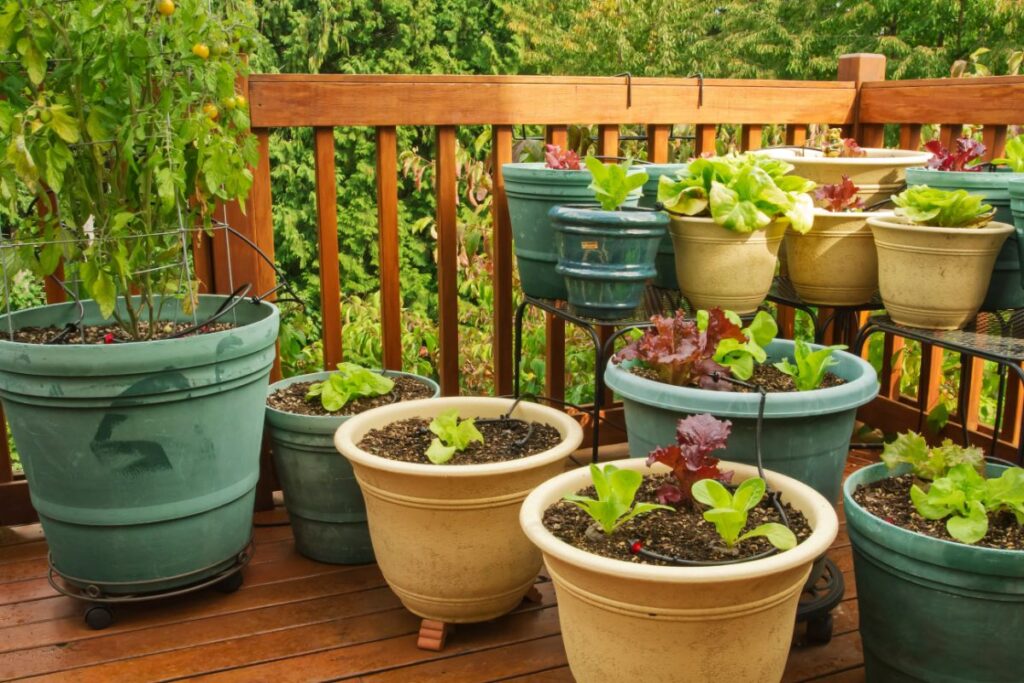
Your choice of containers will influence plant health, aesthetics, and space management. While traditional terra cotta pots are breathable and great for plant roots, they can be heavy and crack in cold weather. Plastic pots are lightweight and come in a variety of styles, while fabric grow bags are gaining popularity due to their excellent drainage and portability.
No matter which container you choose, ensure it has proper drainage holes to prevent root rot. Layering the bottom with gravel or broken clay pieces can help improve drainage.
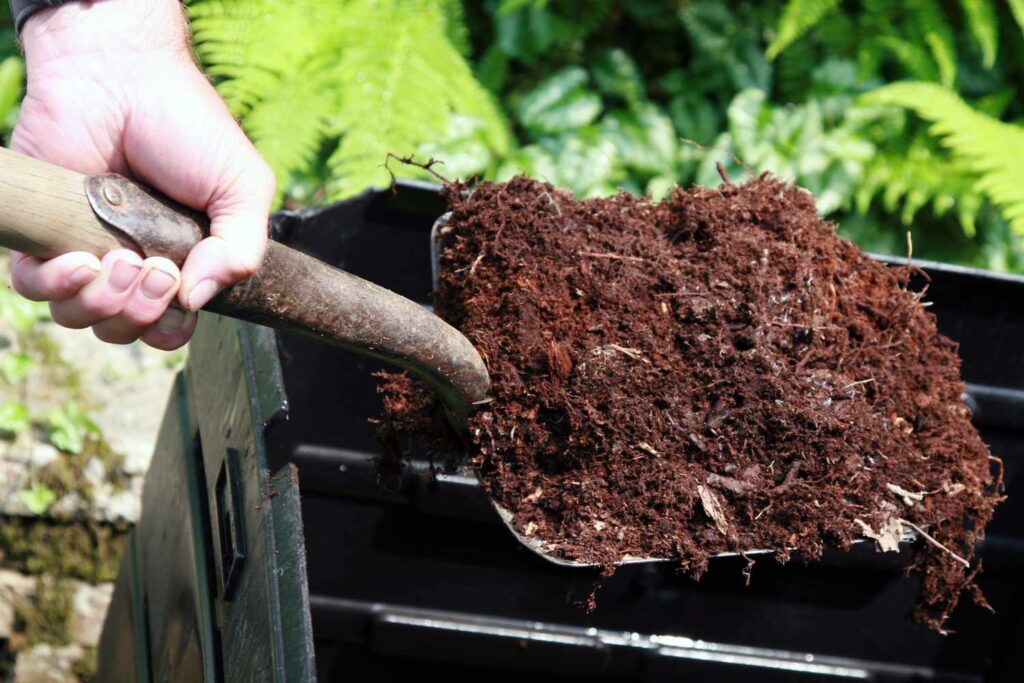
As for soil, don’t use regular garden soil, which can compact easily and inhibit root growth. Instead, opt for a high-quality potting mix designed for container gardening. These mixes are usually lightweight and rich in organic material, providing optimal conditions for root development and nutrient absorption.
Deciding What to Grow: Plants That Love Balcony Life
This is the exciting part—choosing what you want to grow. Your plant selection will depend on your balcony’s sunlight exposure, local climate, and personal preference. Many balcony gardeners begin with herbs because they’re easy to grow, compact, and endlessly useful in the kitchen. Basil, parsley, thyme, and mint thrive in containers and don’t need much space to flourish.
If you’re looking for something more vibrant, opt for flowering plants like petunias, marigolds, or geraniums. These not only add a splash of color but also attract pollinators, which is beneficial if you plan to grow fruiting plants later.
For those interested in growing their own food, cherry tomatoes, peppers, lettuce, and radishes do surprisingly well in containers. Just ensure they receive enough sunlight and water regularly. You may be surprised how much food a tiny space can produce with the right care.
Designing a Garden That Suits Your Lifestyle
Your balcony garden should be an extension of your lifestyle—not a stressor. If you’re a beginner, start small. Choose a few easy-care plants and gradually expand as you grow more confident. Arrange your containers in a way that maximizes sunlight, accessibility, and aesthetics.
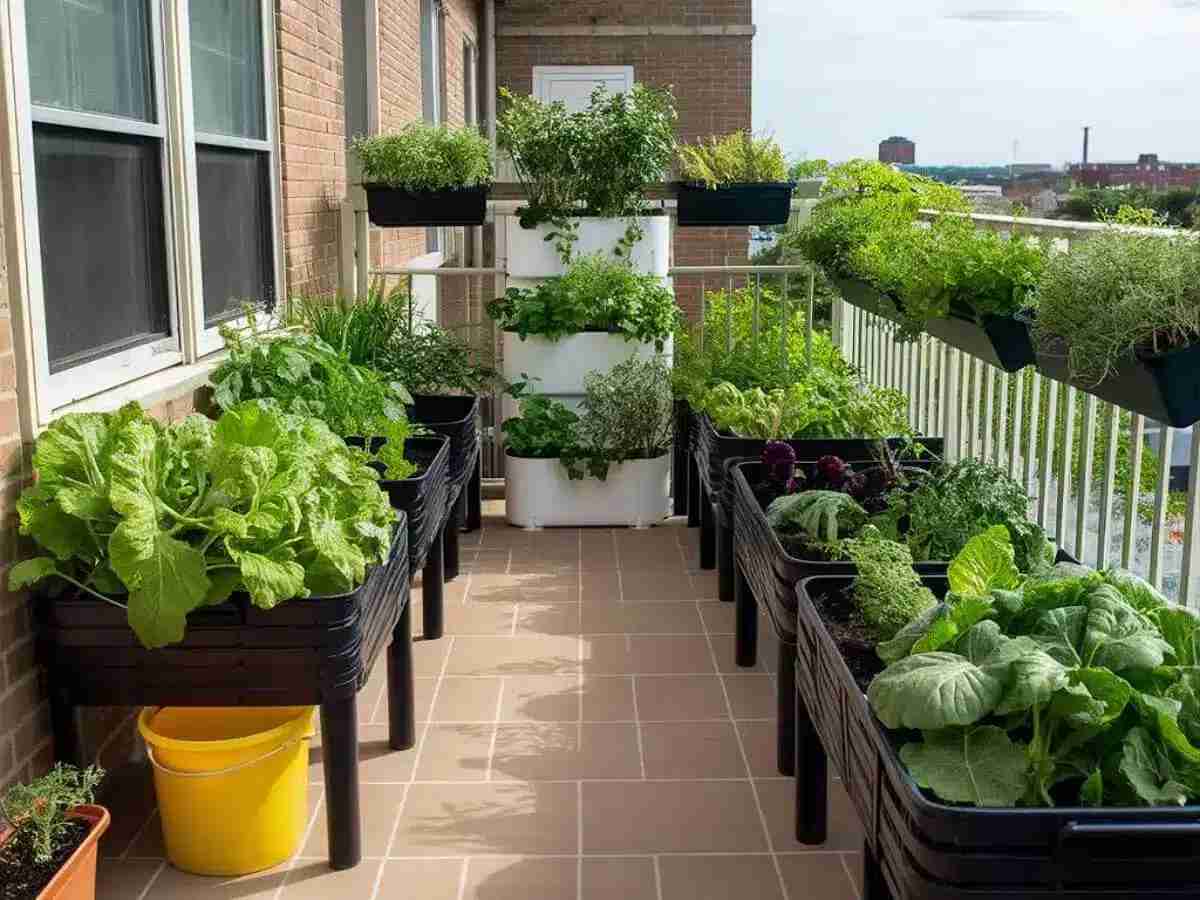
Think vertically to make the most of your limited space. Wall planters, hanging pots, and multi-tier shelves are excellent ways to display more plants without taking up valuable floor area. This approach adds depth and interest to your garden, transforming it into a lush, layered retreat.
Consider integrating furniture that complements your green space. A small table and chair set, a comfy floor cushion, or even a hanging chair can create a peaceful corner to sip your morning coffee or unwind after work. The key is to blend function with beauty.
Watering and Maintenance: Keeping Your Garden Alive and Happy
Watering is one of the most crucial aspects of balcony gardening. Container plants dry out faster than those in the ground, especially in sunny or windy conditions. However, overwatering can be just as harmful as neglect. It’s important to monitor the moisture level of your soil regularly. A simple finger test—insert your finger an inch into the soil—can tell you whether it’s time to water.
To reduce evaporation, consider mulching the top of the soil with straw, bark chips, or even decorative pebbles. This not only helps retain moisture but also adds a neat, finished look to your containers.
Regular maintenance includes pruning dead leaves, checking for pests, and rotating pots for even growth. Inspect your plants weekly and look for signs of stress like yellowing leaves, wilting, or white spots, which could indicate nutrient deficiencies or fungal infections.
Dealing with Common Balcony Garden Challenges
Every gardener faces a few hiccups, especially in the beginning. One common challenge is pests. Aphids, spider mites, and whiteflies are frequent visitors to balcony gardens. You can manage them by spraying plants with neem oil or introducing natural predators like ladybugs.
Another issue is nutrient depletion in container soil. Unlike garden soil, which renews itself, potting mix can become depleted over time. To keep your plants healthy, use organic liquid fertilizers or compost tea every few weeks during the growing season.
Excessive rain or harsh sun can also damage plants on exposed balconies. Protective covers or movable plant carts can help you adjust your setup according to weather conditions.
Sustainability and Eco-Friendly Practices
A balcony garden isn’t just about personal wellness—it’s also an opportunity to live more sustainably. Collecting rainwater, using organic fertilizers, and composting kitchen scraps are excellent practices to reduce your ecological footprint.
Consider incorporating native plants into your setup. These species are more adapted to your local climate and require less water and maintenance. They also attract local pollinators, contributing to urban biodiversity.
Another way to be eco-conscious is by repurposing household items as planters. Tin cans, old crates, and even broken teacups can make charming containers with a bit of creativity and drainage holes.
Seasonal Care and Planning Ahead
Your balcony garden will change with the seasons, and that’s part of its beauty. During spring and summer, most plants are in full bloom and require regular feeding and watering. In fall, it’s time to clean up, trim back, and perhaps sow hardy winter greens like kale or spinach.
If your region experiences harsh winters, you may need to bring tender plants indoors or insulate pots with bubble wrap or straw. Investing in hardy perennials can save you the trouble of replanting each year while still giving you lush greenery.
A yearly plan helps you rotate crops, rest your soil, and avoid pest cycles. Keeping a simple garden journal to note what worked and what didn’t can drastically improve your results year after year.
The Mental Health Benefits of Balcony Gardening
Beyond the visual beauty and practical benefits, balcony gardening offers emotional and psychological rewards that are hard to measure but deeply felt. The act of tending to a living thing, watching it grow, and being present in the moment reduces anxiety and promotes mindfulness. Even just five minutes spent watering or pruning can become a meditative ritual that calms your nervous system.
Gardening gives a sense of purpose and progress. When everything else feels uncertain, your balcony garden is a space where your actions visibly matter—and that’s powerful.
Final Thoughts: Your First Step into Balcony Gardening
You don’t need to be a master gardener to enjoy the benefits of a balcony garden. You just need a space, a bit of light, some patience, and a desire to nurture life. Start small. Learn as you go. Let your plants teach you. With time, your balcony can become not only a garden but a sanctuary—one that nourishes your body, soul, and home.
As you begin this journey, remember: every balcony has the potential to bloom. With the right care and creativity, even the smallest space can transform into a vibrant green haven.