In today’s urbanized and digitally connected world, mental health has become a critical focus for many. The demands of fast-paced lifestyles, constant exposure to screens, and the often stark, concrete surroundings of city life can leave us feeling stressed, anxious, or disconnected. Amid this backdrop, the simple act of bringing nature into our homes offers a powerful balm for the mind and spirit. Creating a greener home environment by integrating plants and natural elements isn’t just a design choice—it’s a meaningful way to nurture your mental well-being.
The connection between humans and nature runs deep in our biology. This intrinsic bond, known as biophilia, means we naturally respond positively to plants, natural light, and organic textures. Numerous studies have confirmed that greener living spaces do more than look beautiful—they improve our mood, reduce anxiety, enhance cognitive function, and promote relaxation. Whether you have a sprawling garden or just a few carefully chosen houseplants, cultivating a greener home can transform your mental health in profound ways.
Nature’s Role in Reducing Stress and Anxiety
The modern urban environment can be overwhelming: noise pollution, crowded spaces, and constant digital bombardment place continuous strain on our nervous systems. Nature offers a unique refuge from this stress, and the presence of plants indoors helps recreate that calming effect. Scientific research shows that simply being near plants lowers cortisol levels, a key hormone involved in stress response.
When you come home to a space filled with greenery, your body’s natural relaxation systems activate. The subtle green hues and organic shapes help your mind shift out of “fight or flight” mode and into a state of calm. Even the gentle sounds of leaves rustling or water dripping from a small indoor fountain can soothe frayed nerves and lower blood pressure.
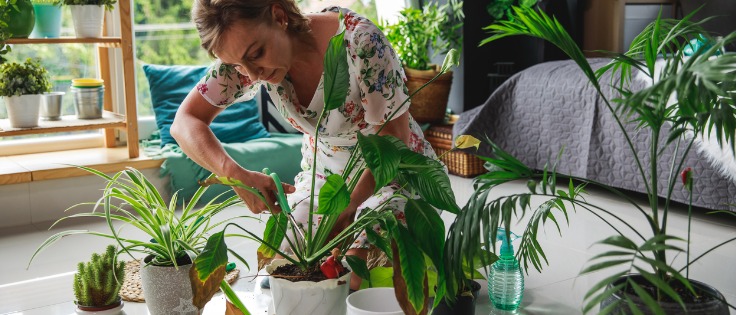
Indoor plants also help reduce symptoms of anxiety. The nurturing involved in caring for a living organism—watering, pruning, observing growth—provides a grounding routine that can distract from anxious thoughts. This form of mindful caregiving helps you feel more centered and present.
Elevating Mood and Fighting Depression
The presence of plants and nature in your living space can brighten your mood in surprisingly tangible ways. Research conducted in therapeutic settings has found that interaction with plants, whether through active gardening or passive enjoyment, releases neurotransmitters like serotonin and dopamine, which are linked to feelings of happiness and well-being.
In urban apartments where access to outdoor green spaces may be limited, indoor plants become vital sources of connection to life and growth. The vibrant greens and blossoming flowers counteract feelings of loneliness and isolation, fostering a sense of vitality. The color green itself has restorative qualities—it’s associated with renewal, balance, and calm—which contributes to reducing depressive symptoms.
Many people find that engaging with plants cultivates a sense of accomplishment. Watching a plant thrive or bloom nurtures hope and positivity, even in difficult times. This connection to growth cycles also reminds us of nature’s resilience and the possibility of new beginnings.
Enhancing Cognitive Function and Productivity
Beyond emotional benefits, greener homes contribute to improved mental clarity and cognitive performance. Plants improve indoor air quality by absorbing carbon dioxide and filtering pollutants, resulting in cleaner oxygen-rich environments that promote brain function.
Studies show that people working or studying in spaces with plants demonstrate better concentration, memory retention, and creativity. The natural forms and colors provide visual breaks from digital screens and work materials, reducing mental fatigue and enhancing problem-solving abilities.
For those working from home, integrating plants into your workspace can make tasks feel less stressful and more enjoyable. The presence of greenery helps create a healthier environment that supports sustained focus and inspiration.
Encouraging Mindfulness and Emotional Resilience
Creating and maintaining a greener home fosters mindfulness—the practice of being fully present and engaged in the moment. Caring for plants requires attention to detail, patience, and observation. You become attuned to changes in light, moisture, and growth patterns, cultivating a meditative awareness.
This regular engagement promotes emotional resilience by encouraging a slower, more thoughtful pace in a fast-moving world. It also provides a sense of control and nurturing, important factors in managing stress and mood disorders.
Having a living green space also connects you with the natural rhythms of life—cycles of growth, rest, and renewal—that can be grounding during uncertain times. It helps remind us that life is dynamic and ever-changing, offering hope and continuity.
Improving Sleep and Physical Health
A greener home also supports physical health, which is deeply intertwined with mental well-being. Certain plants, such as snake plants, lavender, and jasmine, release oxygen and purify the air during the night. This can improve sleep quality by creating a cleaner, fresher environment conducive to rest.
Better sleep directly benefits mental health, improving mood regulation, reducing irritability, and increasing resilience to stress. The calming scent of some plants also has relaxing properties that prepare your mind for restful sleep.
By improving air quality and reducing toxins indoors, plants help reduce symptoms of allergies and respiratory issues, contributing to overall comfort and wellness.
Creating Your Own Green Sanctuary
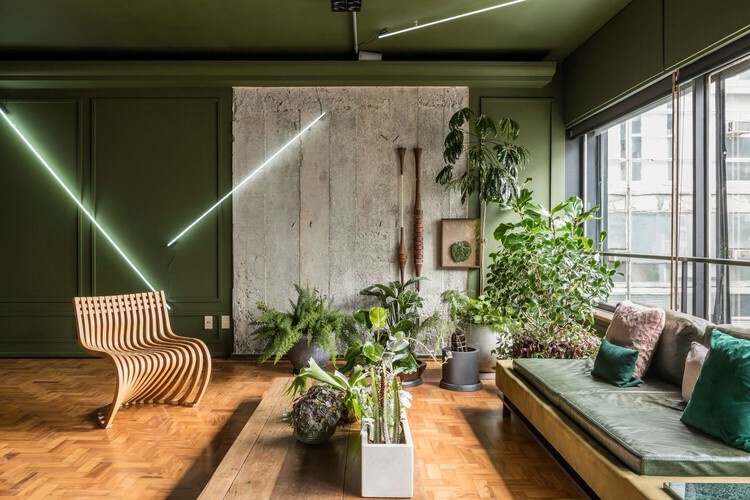
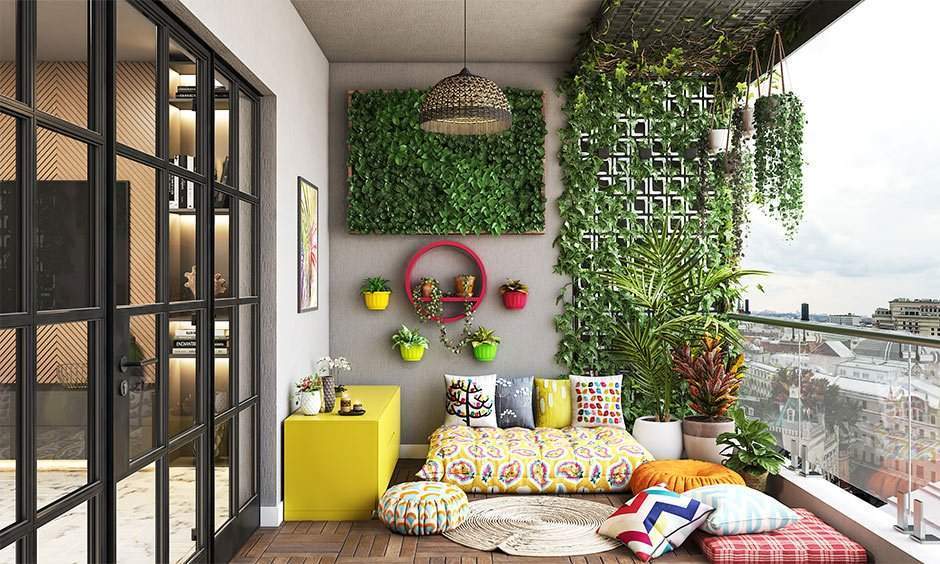
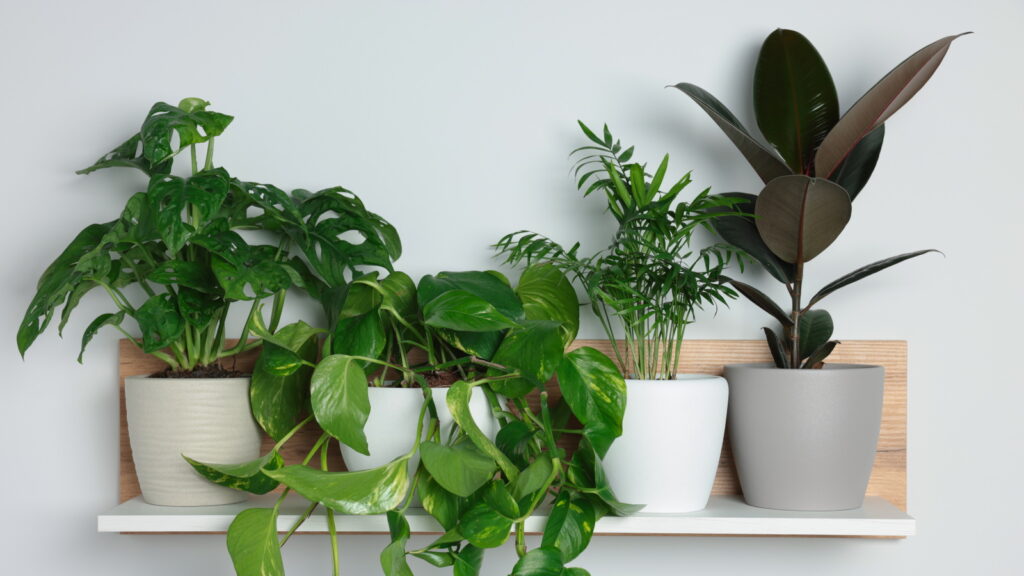
Integrating plants into your home doesn’t have to be overwhelming or require a green thumb. Starting small with hardy, easy-care plants like pothos, spider plants, or succulents can yield great benefits with minimal effort. Placing greenery in key areas like your bedroom, living room, or workspace maximizes mental health gains.
Pairing plants with natural materials such as wood furniture, stone accents, and soft linens creates an environment that feels warm and inviting. Use natural scents from essential oils or candles to deepen sensory connection with nature, enhancing relaxation.
Incorporate greenery as part of your daily routine by dedicating time to water, prune, or rearrange plants. This ritual supports mindfulness and nurtures your relationship with the living elements in your home.
Final Thoughts
The mental health benefits of a greener home are undeniable. By weaving natural elements into your living space, you cultivate a haven of calm, focus, and emotional balance. Whether through the presence of lush plants, natural textures, or calming scents, your home becomes a sanctuary that supports mental well-being in the hectic rhythm of urban life.
Start small, be patient, and watch how these living elements transform not just your space but also your mind and spirit—inviting peace, vitality, and resilience into your everyday life.