With rising pollution levels and more people spending time indoors, the quality of indoor air has become a growing concern. From dust and cooking fumes to paint chemicals and cleaning agents, our apartments can silently harbor toxins. The good news? You don’t need expensive purifiers to combat poor air quality—indoor plants can naturally filter out pollutants while enhancing the aesthetics of your home.
This guide dives deep into the top 7 indoor plants that purify air in your apartment. Whether you live in a small studio or a high-rise with limited sunlight, these plants are easy to care for, visually appealing, and powerful when it comes to detoxifying the air you breathe.
Why Use Plants to Improve Indoor Air?
Indoor air pollution can come from everyday items: carpets, wall paint, cleaning sprays, and synthetic furniture. According to NASA’s Clean Air Study, certain plants have the ability to remove toxins like formaldehyde, benzene, xylene, and carbon monoxide from the air. These plants act like natural air filters—absorbing pollutants through their leaves and roots while releasing fresh oxygen back into the room.
But beyond science, indoor plants also bring a sense of calm, reduce stress, and add character to any living space. For city dwellers or apartment residents, that green presence is both grounding and revitalizing.
1. Snake Plant (Sansevieria trifasciata)
Often called “Mother-in-Law’s Tongue,” the snake plant is one of the most resilient and effective air-purifying plants you can bring home. It absorbs toxins such as nitrogen oxides and formaldehyde and is unique in that it converts CO₂ into oxygen at night—a rare quality among houseplants.
Perfect for bedrooms, the snake plant thrives on neglect. It doesn’t mind low light and only needs watering every few weeks. Its tall, upright leaves make it ideal for tight corners or small spaces, and its sword-like shape adds a touch of modern sophistication.
2. Spider Plant (Chlorophytum comosum)
If you’re a first-time plant parent, the spider plant might be your best friend. It’s extremely adaptable, fast-growing, and does an excellent job removing harmful pollutants like carbon monoxide and formaldehyde from the air.
This plant develops long, arching leaves and produces baby offshoots that dangle from the mother plant like little comets. Place it in a hanging basket or let it sit proudly on a shelf—it’ll flourish either way. Its ability to thrive in bright, indirect light and survive inconsistent watering makes it a top choice for busy professionals.
3. Peace Lily (Spathiphyllum)
Few plants are as graceful as the peace lily. Its broad, dark green leaves are contrasted by stunning white blooms that resemble calla lilies. But beauty isn’t the only benefit—this plant is a champion air purifier. It targets common household toxins such as ammonia, benzene, and trichloroethylene.
The peace lily prefers moderate to low light and requires weekly watering. It’s known to “talk” to its owner—when the leaves droop, it’s signaling it needs a drink. It also raises indoor humidity, making it especially helpful during dry seasons or in air-conditioned rooms.
4. Aloe Vera
Aloe vera is more than just a healing plant for cuts and burns—it’s also a powerhouse air filter. It works particularly well in clearing formaldehyde and benzene, two common pollutants found in household cleaning agents and paints.
This succulent thrives in bright, indirect sunlight and only requires water every couple of weeks. Its spiky leaves store water, meaning you won’t have to worry about it during short trips or forgetful weeks. Keep it near a kitchen window or desk for a dual-purpose dose of health and greenery.
5. Boston Fern (Nephrolepis exaltata)
Boston ferns bring a lush, tropical vibe to any apartment with their feathery, arching fronds. They’re excellent at filtering indoor air, especially when it comes to removing formaldehyde and improving overall humidity.
This plant loves high humidity and indirect light, making it ideal for bathrooms or kitchens. Though it requires a bit more attention than succulents—regular misting and evenly moist soil—it rewards its caretaker with abundant, vibrant growth. It’s a natural humidifier too, which can help soothe dry skin and respiratory issues.
6. Rubber Plant (Ficus elastica)
The rubber plant is a popular indoor choice for its bold, glossy leaves and minimal care needs. But it’s also a surprisingly powerful air purifier. It effectively absorbs carbon monoxide and formaldehyde while increasing the oxygen level in a room.
It can grow quite tall if given the space but can also be pruned to maintain a compact shape. Rubber plants enjoy bright, indirect sunlight and occasional watering. Their dramatic leaves make them a great statement piece for living rooms or entryways.
7. Areca Palm (Dypsis lutescens)
If you’re looking to bring a tropical flair into your space while enhancing air quality, the Areca palm is your go-to. It’s one of the best air-purifying plants for removing toxins and adding moisture to dry indoor environments.
Also known as the Butterfly Palm, its graceful, feather-like fronds are ideal for bright rooms. It requires more sunlight than most other air-purifying plants, so position it near large windows or sliding doors. Watering once or twice a week is usually sufficient, and with proper care, it can reach an impressive height.
Placement Tips to Maximize Air Purification
Strategic placement of indoor plants can dramatically increase their air-purifying potential. Consider placing a snake plant in your bedroom since it produces oxygen at night. A spider plant works well in your home office, while a Boston fern can add moisture to your bathroom.
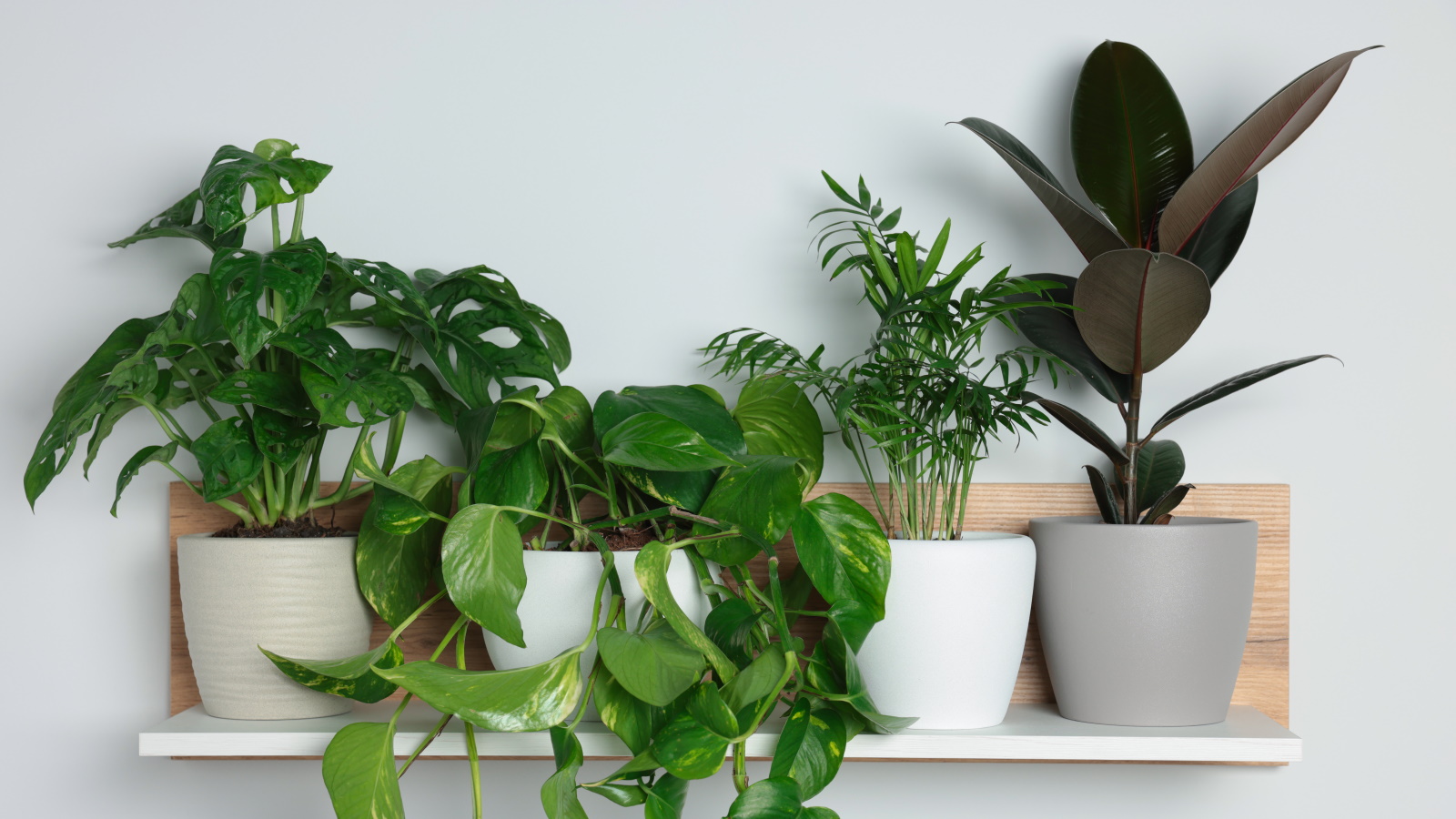
Use shelves, plant stands, or hanging pots to elevate your plants and save floor space. Grouping different varieties together can also create a mini indoor jungle effect while covering a broader range of toxins.
Caring for Indoor Plants in Apartment Settings
Apartment living presents a few unique challenges for plant care, including limited natural light and fluctuating indoor temperatures. That said, it’s completely possible to maintain healthy plants in a city apartment with a little routine.
Ensure your pots have proper drainage, and use a quality potting mix suited for indoor use. If your apartment lacks sufficient natural light, invest in affordable grow lights. Rotate your plants every few weeks to encourage balanced growth. Also, be mindful of heating vents or cold drafts, which can stress sensitive varieties like ferns.
Consistency is key—keep a simple watering schedule, dust off leaves occasionally to help them “breathe,” and prune dead foliage to encourage new growth.
Health Benefits of Air-Purifying Plants
The benefits of keeping indoor plants go far beyond aesthetics. Numerous studies have shown that houseplants help lower stress levels, enhance mood, and even increase focus and productivity. This is especially beneficial for remote workers, students, or anyone spending extended periods indoors.
By releasing oxygen and removing volatile organic compounds (VOCs), plants improve air quality and reduce the chances of developing allergies or respiratory issues. They also help stabilize humidity levels, which can ease skin irritation and sinus problems caused by dry indoor air.
Final Thoughts
Creating a healthier, more tranquil apartment doesn’t have to involve air filters or industrial purifiers. A few well-chosen indoor plants that purify air can do wonders for your well-being while also transforming your home into a green retreat.
Start with one plant that suits your lifestyle—maybe a peace lily by the window or a snake plant in your bedroom. Once you see how it transforms your space and breathes life into your day-to-day routine, it won’t be long before you add another. With time, you’ll cultivate a living, breathing sanctuary in your apartment—one that filters your air, soothes your mind, and adds natural beauty to your daily life.