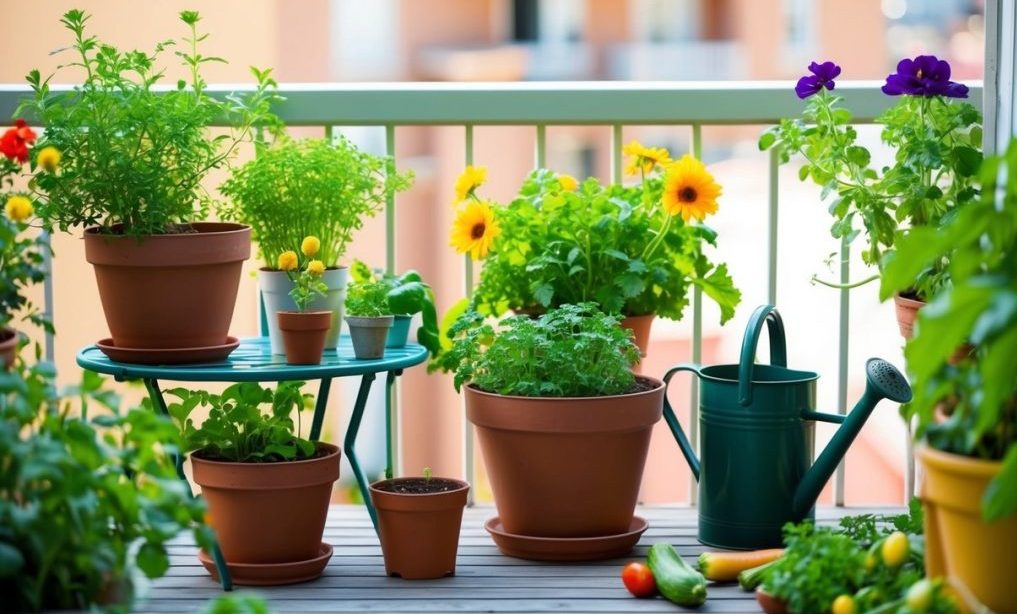
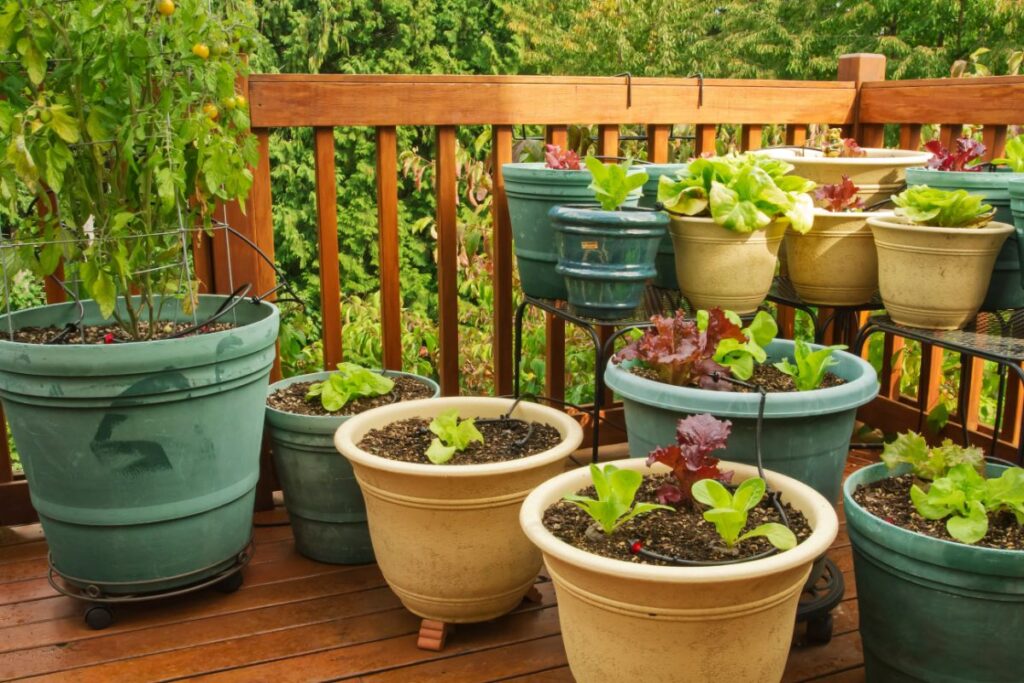
In the midst of a fast-paced urban lifestyle, many city dwellers dream of a peaceful green retreat right outside their doorsteps. A balcony garden offers a perfect opportunity to connect with nature, refresh the mind, and improve air quality — all without needing a sprawling backyard. However, when time is scarce, and the daily grind is demanding, choosing plants that require minimal care is essential. For busy urbanites, low-maintenance balcony plants can transform an ordinary outdoor space into a lush oasis with little effort.
Balconies in urban apartments face unique challenges such as limited sunlight, space constraints, fluctuating temperatures, and exposure to pollution. Adding to that, busy schedules make it impractical to tend to delicate or high-maintenance plants. Fortunately, many resilient plants thrive in small containers, need minimal watering, and can handle neglect without losing their charm. This guide highlights some of the best low-maintenance balcony plants tailored for busy city dwellers, along with practical care tips to help even the most time-strapped gardener succeed.
Why Choose Low-Maintenance Plants for Your Balcony?
Balcony gardening in urban environments is often limited by several factors, including lack of time, inconsistent sunlight, and small growing areas. Choosing plants that require little upkeep not only reduces stress but also ensures your green space stays vibrant and healthy. These plants tend to be more drought-tolerant, disease-resistant, and forgiving if you occasionally forget to water or prune.
Low-maintenance plants also offer a great way to introduce greenery into your life without the intimidation factor that often discourages beginners or busy professionals. Whether you’re a novice gardener or just looking for an easy way to enjoy nature’s benefits, these plants provide a sense of satisfaction and calm. Moreover, they can improve your balcony’s aesthetics and even boost your mental well-being by adding a touch of natural beauty to your urban dwelling.
Succulents: The Ultimate Drought-Tolerant Companions
Succulents have surged in popularity among city gardeners because of their striking forms and unparalleled resilience. Their thick, fleshy leaves store water, making them extremely drought-resistant and ideal for people who can’t water plants daily. Succulents come in diverse shapes and colors, adding visual interest without needing elaborate care routines.
On a busy urban balcony, succulents can thrive in small pots, window boxes, or vertical gardens. They require bright but indirect sunlight and prefer well-draining soil to prevent root rot. Watering once every two weeks or when the soil is completely dry is usually sufficient. These hardy plants are also resistant to pests and diseases, further reducing the need for constant attention.
Common varieties like Echeveria, Jade Plant, and Aloe Vera are great choices. Aloe Vera, beyond being a beautiful succulent, has medicinal properties, making it a practical addition to your balcony garden. Their slow growth means you won’t have to repot or prune often, allowing you to enjoy their beauty without demanding your time.
Snake Plant: The Indestructible Air Purifier
If you want a plant that can tolerate neglect and still look elegant, the Snake Plant (Sansevieria) is a top contender. It is famous for its sword-like, upright leaves that can thrive in low light conditions where many other plants would wither. This makes it perfect for balconies that receive limited direct sunlight.
The Snake Plant requires minimal watering—only once every few weeks—and can survive in a variety of temperature ranges common in urban settings. It’s also an excellent natural air purifier, improving indoor and balcony air quality by filtering out toxins. Because of its robust nature, it’s hard to kill even if you forget about it for a while.
Its upright growth habit allows it to fit neatly into narrow balcony spaces or corners, making it a stylish yet functional addition. The Snake Plant’s tough leaves mean it can withstand city pollution better than many delicate plants, giving you a reliable green companion.
ZZ Plant: A Low-Light Superstar for Shady Balconies
For balconies that receive very little natural light, the ZZ Plant (Zamioculcas zamiifolia) is an excellent choice. Known for its glossy, dark green leaves and slow growth, this plant thrives in shade or indirect light, making it perfect for apartments surrounded by taller buildings.
The ZZ Plant is highly drought-tolerant and can go weeks without water, absorbing moisture from the air efficiently. Its rhizome roots store water, making it forgiving if you occasionally miss a watering session. This low-maintenance nature is ideal for busy individuals who want greenery without the daily commitment.
Besides its aesthetic appeal, the ZZ Plant is also known for its air-purifying properties. It can remove toxins such as xylene, toluene, and benzene from the environment. With its minimal needs and durable nature, it is one of the best plants to brighten up dark balconies or urban corners.
Pothos: The Fast-Growing, Low-Care Vine
If you want a plant that can quickly add lushness and a vibrant splash of green to your balcony, Pothos is a superb option. This trailing vine is famous for its heart-shaped leaves and vigorous growth. It adapts well to a variety of light conditions, from low to bright indirect light.
Pothos is incredibly resilient and can survive inconsistent watering schedules, making it suitable for busy lifestyles. You only need to water it when the soil feels dry to the touch. This plant also thrives in standard potting soil and doesn’t demand fertilization or pruning frequently.
Its trailing vines can be trained along balcony railings, hung in baskets, or grown in vertical planters, allowing you to maximize limited balcony space. Pothos also helps improve air quality by filtering indoor toxins, making it a practical and attractive choice for urban gardeners.
Herbs: Dual Purpose Plants for Food and Beauty
Herbs like basil, mint, rosemary, and thyme are excellent for balcony gardening because they are both useful and easy to care for. Many herbs thrive in containers and need only moderate sunlight and watering. Growing your own herbs also means fresh ingredients for your kitchen, reducing grocery runs and adding flavor to your meals.
For busy urban dwellers, choosing hardy herbs like rosemary and thyme makes sense as they tolerate drought and neglect better than others. Mint can grow vigorously but needs some control to avoid overtaking the space. Regular harvesting encourages growth and keeps plants healthy without demanding much additional effort.
These herbs typically require well-draining soil and watering when the top inch feels dry. Even if you can only tend your balcony plants once a week, herbs are likely to flourish and add greenery as well as practicality to your urban oasis.
Spider Plant: The Air-Filtering Survivor
Spider Plants (Chlorophytum comosum) are classic, easy-care plants that adapt well to various lighting conditions. They thrive in indirect sunlight and only need watering once the soil dries out. Spider Plants are known for their arching leaves and their ability to produce “baby” plants, which can be propagated easily.
This plant is perfect for balconies that receive fluctuating light conditions throughout the day. Spider Plants are resilient against occasional overwatering or drought, which suits busy people who cannot maintain a strict watering schedule.
Besides their aesthetic appeal, Spider Plants are highly effective in purifying the air by absorbing pollutants. Their fast-growing nature and ability to thrive in containers make them a favorite for apartment balconies.
Tips to Maximize Your Low-Maintenance Balcony Garden Success
Potting and Drainage: Use pots with drainage holes to avoid waterlogging, which can damage roots. Consider self-watering pots if watering frequency is a concern.
Soil Quality: Use high-quality, well-draining potting mix suited to container gardening. Mixing in organic compost improves soil nutrients and water retention.
Sunlight Management: Understand your balcony’s light exposure throughout the day. South-facing balconies get the most sun, while north-facing ones receive less. Match plants accordingly.
Watering Routine: Even drought-tolerant plants need occasional watering. Stick to a simple schedule or set reminders to check soil moisture.
Seasonal Care: Protect plants from extreme temperatures by moving pots indoors during cold snaps or providing shade during intense heatwaves.
Pest Monitoring: Keep an eye out for common pests like aphids or spider mites, but many low-maintenance plants have natural resistance.
Container Placement: Use vertical space with shelves or hanging planters to expand your green area without cluttering the floor.
By combining resilient plant choices with practical care habits, you can enjoy a thriving balcony garden that fits your busy lifestyle.
Why Balcony Gardening Benefits Busy Urban Dwellers
Balcony gardening is more than just beautifying your home; it contributes significantly to your well-being, especially in busy city life. Plants have been shown to reduce stress, improve mood, and increase productivity. A green balcony becomes a personal sanctuary, a place to unwind after hectic workdays.
Additionally, having your own plants improves air quality by filtering pollutants and increasing oxygen levels. It’s a small but effective way to combat urban pollution. Fresh herbs on hand also encourage healthier cooking habits and save money.
For urban dwellers with limited outdoor space, even a few pots of low-maintenance plants make a meaningful difference. The joy of nurturing living things and witnessing their growth adds a sense of accomplishment and connection with nature that technology and busy routines often lack.
Final Thoughts: Making Green Space Work for You
Creating a low-maintenance balcony garden is an achievable goal for any busy urbanite. By selecting hardy, drought-tolerant plants that match your balcony’s conditions and lifestyle, you can cultivate a refreshing green space with minimal stress.
Succulents, Snake Plants, ZZ Plants, Pothos, herbs, and Spider Plants offer a diverse palette of textures, colors, and benefits while requiring little care. With a few practical tips about watering, sunlight, and soil, your balcony can become a thriving urban oasis even if your schedule leaves little time for gardening.
Embrace the simplicity and joy of balcony gardening—your mental and physical health will thank you for it.