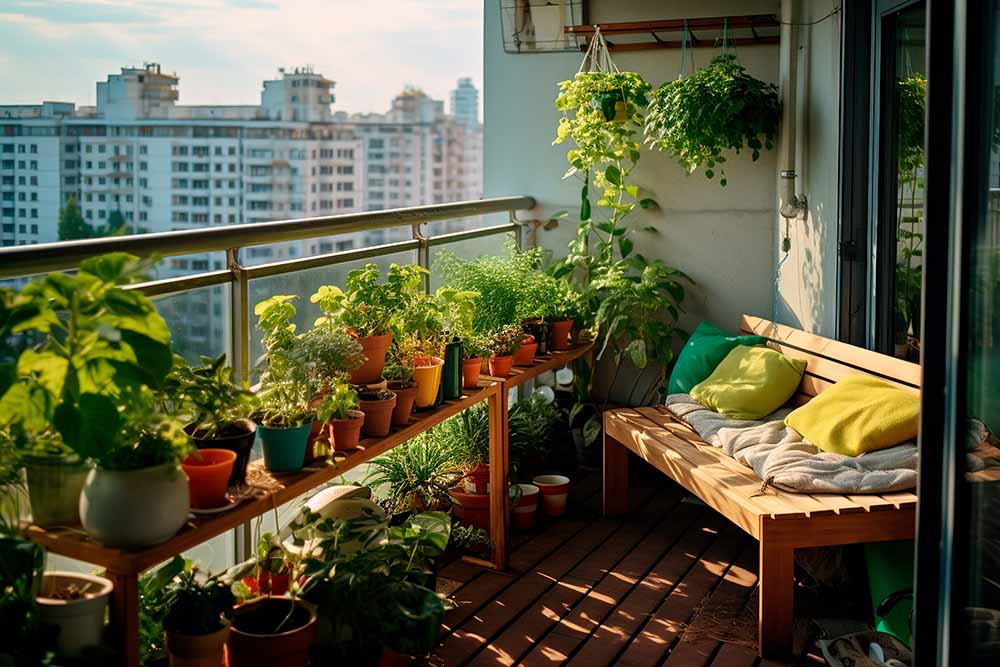
Living in a bustling city often means compromising on space, especially when it comes to enjoying a little greenery. But if you’ve got a balcony—no matter how tiny—you already have the perfect blank canvas for a vertical garden. Vertical gardening is not just a smart way to bring plants into your life when square footage is tight—it’s a stylish and satisfying solution that turns drab, concrete balconies into lush mini-ecosystems. This post walks you through practical, creative, and space-efficient vertical gardening ideas specifically designed for urban balconies.
The Urban Balcony Dilemma
Urban living is convenient, but it comes with its own set of trade-offs. One of the most common complaints among city dwellers is the lack of personal outdoor space. Balconies, if present, are often narrow or oddly shaped, making them difficult to utilize. However, vertical gardening presents a clever workaround. Instead of sprawling out, vertical gardens go up. That means you can transform even a narrow 3-foot-wide balcony wall into a vibrant green wall teeming with herbs, flowers, or even vegetables.
In urban areas, vertical gardening is more than a trend—it’s a movement. It’s about reclaiming your little patch of sky and turning it into a natural retreat. Whether you’re a seasoned gardener or just starting out, using the vertical plane offers endless opportunities to get creative while staying practical.
Why Vertical Gardening Works for Urban Spaces
Vertical gardening is designed with efficiency in mind. Since city balconies don’t offer the luxury of a backyard or rooftop, you need to use space wisely. Vertical gardening takes advantage of unused vertical space—walls, railings, fences, and ceilings—giving you more room for plants without cramping your walkways or seating areas.
It also helps with light exposure. In tight city layouts, sunlight can be limited to certain times of the day or only reach particular parts of your balcony. Vertical planters, trellises, and hanging pots allow you to arrange your plants in the best light spots, ensuring they thrive even in semi-shaded environments.
Beyond functionality, vertical gardens can also serve as privacy screens, visual focal points, or sound barriers—softening harsh noises from traffic or neighbors.
Choosing the Right Plants for Vertical Gardens
Before you start installing shelves or trellises, consider your plant selection carefully. Urban balconies often experience wind, heat, and shade differently depending on their direction and building height. Choose hardy, low-maintenance plants that are well-suited to container living.
For leafy green impact and easy care, pothos, philodendrons, and ferns work beautifully. If you’re leaning toward edibles, go for herbs like mint, thyme, parsley, and basil. Strawberries, cherry tomatoes, and lettuce also adapt well to vertical gardening, especially when planted in tiered containers or wall pouches.
The key is to combine different types of plants—trailing, upright, and climbing—so you get a textured, lush look that doesn’t feel forced or flat.
Vertical Pallet Gardens: Rustic and Functional
Old wooden pallets can be turned into beautiful vertical gardens with a bit of cleaning and sealing. Secure the pallet to your balcony wall and insert pots or planting bags between the slats. Each level can hold a different type of plant—succulents on top, herbs in the middle, and small flowers below.
Pallet gardens are particularly good for renters, as they’re easy to disassemble and transport. They also provide a sense of rustic charm and warmth, transforming a dull, gray wall into a lively focal point.
If you want to go further, add hooks or lights to the pallet to make it multi-functional for evening relaxation.
Hanging Planters and Ceiling Hooks
For balconies with overhead coverings or ceilings, hanging planters are your best friend. You can hang pots at different heights using macramé holders, chain-linked hooks, or even repurposed colanders and kitchen containers. This creates a cascading effect that draws the eye upward, adding dimension and visual height to a small area.
Hanging plants like string of pearls, English ivy, spider plants, or trailing fuchsia create a soft, flowing effect that contrasts beautifully with hard urban surfaces like concrete and glass.
These planters also help keep floor space free for other uses—like a small table, yoga mat, or just a quiet reading nook.
Wall-Mounted Shelves and Modular Planters
Wall-mounted planters and shelves are ideal for balconies with solid railing walls or adjacent privacy fences. These systems use brackets or hooks to secure planter boxes or shelves against the vertical surface. Stack them to create layers of greenery—mixing herbs, flowering plants, and decorative foliage for a balanced look.
Modular planters, which can be rearranged and snapped together, give you flexibility if you enjoy changing your layout often. Some even come with built-in irrigation systems, which are helpful if you’re not around to water frequently.
You can also combine wall planters with art. Paint the background wall in a bright color or mural, so the plants pop against the artistic backdrop.
Rail Planters for Low-Level Greenery
Don’t ignore your balcony railings—they’re perfect for long trough planters that can hold trailing flowers, compact vegetables, or colorful succulents. These rail planters bring greenery to eye level when viewed from the street or adjacent buildings, making your outdoor space feel fuller and more private.
Make sure your railing planters are secured properly. In windy cities, balcony railings can act like wind tunnels, so choose deep containers with drainage and fasten them tightly with brackets.
Pairing rail planters with taller vertical planters behind them creates depth, almost like creating a layered garden bed along the vertical plane.
Trellises and Climbing Frames
If you love the idea of creating a green wall, trellises are your go-to solution. They provide support for climbing plants like jasmine, clematis, morning glories, or even vegetables like cucumbers and peas. A trellis can be mounted to a wall or stand independently in a corner.
By choosing fast-growing vines or flowering climbers, you can create a soft green curtain that offers both beauty and shade. In fact, when placed strategically, a trellis can act as a screen from neighboring balconies, adding privacy without the need for blinds or solid walls.
To maintain the health of climbing plants, tie or clip new growth gently to the trellis and prune regularly to guide direction and encourage flowering.
Upcycled Containers for an Eco-Friendly Touch
Vertical gardens are an excellent opportunity to repurpose household items. From shoe organizers and tin cans to old dresser drawers and plastic bottles—almost anything can become a container garden if it can hold soil and drain water.
Shoe organizers, especially, are popular in urban balcony gardens. Hang one on a wall or railing, fill each pocket with soil, and plant herbs or compact flowers. Tin cans can be painted and mounted on a wooden board for a modern rustic display.
Using upcycled materials reduces waste and adds character to your balcony garden. It also sparks creativity and gives a personalized touch that store-bought containers can’t always match.
DIY Irrigation and Watering Tips
Maintaining vertical gardens in small balconies isn’t as challenging as it seems, but it does require thoughtful watering. Because containers and wall planters can dry out quickly in sun and wind, you’ll need a strategy to keep plants hydrated.
One method is to install a drip irrigation kit specifically designed for vertical systems. These are compact, easy to install, and work on timers—perfect for busy city dwellers.
If you prefer a manual approach, use a watering can with a long spout for hard-to-reach corners. You can also add moisture-retaining soil mixes or water-absorbing crystals to each planter to reduce the frequency of watering.
And if you travel often, self-watering containers or inverted bottle systems can keep your plants alive and happy for days.
Creating a Cohesive Balcony Garden Aesthetic
A vertical garden shouldn’t feel like a jumbled collection of containers. To create a cohesive look, choose a theme or color palette—modern white ceramics, rustic wood and metal, or a bold pop of colors. Consistency in materials and layout helps your balcony feel intentional and curated.
Layer your greenery to add depth: start with tall plants or structures at the back, medium planters in the middle, and short or hanging plants at the front or top. This layering effect enhances the sense of space and makes even the smallest balcony feel lush and inviting.
Add soft touches like fairy lights, a small bistro table, or a textured rug to complete the transformation from unused corner to green sanctuary.
Final Thoughts
Vertical gardening is a powerful way to reconnect with nature, especially in urban environments where green space is limited. By growing upwards, not outwards, you’re able to maximize every inch of your balcony and turn it into a thriving garden oasis. Whether your goals are fresh herbs, beautiful blooms, or just a peaceful corner to unwind, vertical gardening offers the tools to get you there—one plant at a time.
With a little creativity, planning, and the right plants, even the most compact city balcony can be transformed into a lush vertical haven.