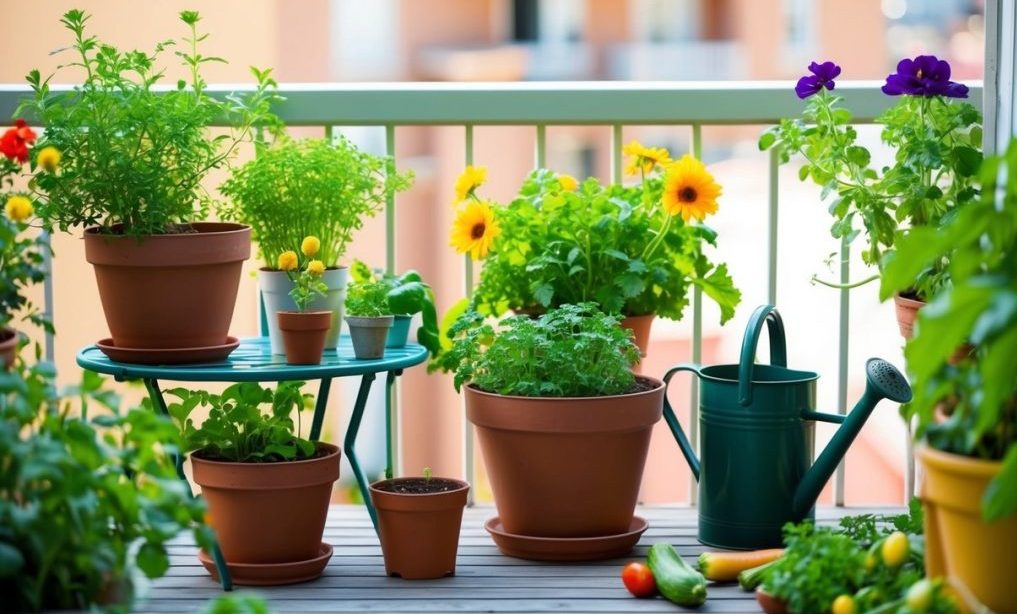
Urban living often means sacrificing outdoor space, but that doesn’t mean giving up the dream of growing your own food. If you have a small balcony, even just a few square feet, you have the potential to cultivate a thriving mini-garden of edible plants. With the right selection and care, you can enjoy fresh herbs, vegetables, and fruits right from your balcony railings. In this guide, we’ll explore ten edible plants that thrive in compact spaces, making them ideal for small balconies. Whether you’re a complete beginner or someone with a green thumb and limited room, these plants will bring flavor, color, and joy to your daily life.
1. Cherry Tomatoes: A Balcony Favorite That Keeps on Giving
Cherry tomatoes are one of the easiest and most rewarding plants to grow in containers. Their compact size, continuous harvest, and vibrant appearance make them a balcony staple. You’ll need a sunny spot where they can soak in at least 6 hours of direct light. Choose a deep container with good drainage, fill it with rich potting soil, and support the plant with a trellis or tomato cage as it grows.
The best part is how quickly they start bearing fruit. Within a couple of months, you’ll notice clusters of small, juicy tomatoes ready to pluck straight from the vine. They’re perfect for tossing in salads, topping bruschetta, or enjoying fresh off the plant. A single healthy cherry tomato plant can yield dozens of fruits over the season, making it one of the most productive balcony crops.
2. Basil: The Fragrant Herb That Loves a Sunny Ledge
Nothing compares to the scent of fresh basil. This versatile herb is not only delicious but also remarkably easy to grow. Basil thrives in full sunlight and requires minimal space, making it perfect for windowsills or small containers on your balcony. The key to growing lush basil is regular watering and consistent harvesting. Pinching off the top leaves encourages the plant to become bushier rather than tall and leggy.
Fresh basil can elevate any dish—from pasta sauces to salads and even homemade pesto. Growing it yourself means you’ll always have aromatic, pesticide-free leaves on hand. Plus, basil is a great companion plant that naturally deters pests, benefiting other edibles growing nearby.
3. Spinach: A Fast-Growing Green Packed with Nutrition
Spinach is one of the best leafy greens for small-space gardening. It grows quickly, doesn’t need deep soil, and tolerates partial shade—perfect for balconies that don’t receive full sun all day. You can sow spinach seeds directly into a pot or container and see results within weeks.
The young leaves are tender and ideal for salads, while mature leaves can be sautéed, blended into smoothies, or added to soups. One of the advantages of spinach is its cut-and-come-again nature; harvesting outer leaves allows the plant to continue producing for a longer period. If space allows, stagger your planting every two weeks to ensure a steady supply of fresh greens.
4. Strawberries: Sweet Rewards in a Small Pot
Yes, you can grow strawberries on a balcony—and they’re surprisingly low-maintenance. Choose a compact or trailing variety that thrives in containers or hanging baskets. Strawberries love sunlight and prefer well-draining soil. Keep them hydrated, especially during flowering and fruiting stages.
Watching strawberries ripen from tiny green nubs to vibrant red berries is a delight. And the taste of freshly picked strawberries? Unmatched. While each plant won’t give you a large harvest, a few pots can still offer enough for snacks, smoothies, or decorative dessert toppings. Their pretty flowers and red fruit also make them a decorative feature in your small space garden.
5. Mint: A Spreading Powerhouse Perfect for Pots
Mint is incredibly easy to grow but has a reputation for being invasive when planted in the ground. That’s why a container on your balcony is the perfect solution. Give it a medium-sized pot with regular watering and partial sunlight, and you’ll have a thriving mint patch in no time.
Mint’s versatility in the kitchen is endless—from flavoring water and tea to garnishing desserts and cooking savory dishes. It’s also a natural mosquito repellent, offering additional functionality for your outdoor space. One tip to remember: trim it often to keep it from becoming leggy and to encourage fresh growth.
6. Peppers: Colorful and Compact Edible Plants
Peppers, especially smaller varieties like chili or bell peppers, do very well in balcony containers. They thrive in sunny spots and need consistent moisture and warmth. With the right care, pepper plants not only produce tasty fruits but also bring vibrant colors and visual appeal to your balcony garden.
You’ll find the growth process fascinating—from delicate white flowers to green pods that ripen to red, orange, or yellow. Peppers can be harvested at various stages, depending on your flavor preference. Whether you enjoy mild sweetness or fiery heat, there’s a pepper plant suited for your taste and space.
7. Radishes: Quick Harvest and Minimal Fuss
If you’re looking for fast results, radishes are your best friend. These root vegetables grow incredibly quickly—some varieties mature in just 3 to 4 weeks. They don’t need much room, and their short growing cycle makes them ideal for small balconies and beginner gardeners.
Sow seeds directly into a container with loose, well-draining soil. Make sure they get good light and even moisture. You’ll soon see leafy greens sprouting above the soil, with crisp, peppery roots developing beneath. Radish greens are also edible and can be added to salads or sautéed like spinach.
8. Green Onions: Regrow From Kitchen Scraps
Green onions, or scallions, are among the easiest plants to grow—and you don’t even need seeds to start. Simply take the white bulb ends from store-bought green onions and place them in a glass of water. Within a few days, you’ll see new green shoots emerge.
Once the roots develop, transfer them to a small pot of soil and place it on your balcony. With minimal care and regular watering, they’ll continue growing for weeks. This regenerative nature makes green onions a great sustainable choice for anyone wanting to reduce food waste while enjoying a fresh, useful crop.
9. Arugula: Peppery Leaves for Your Salad Bowl
Arugula, also known as rocket, is a leafy green with a distinct peppery flavor that adds zing to any salad or sandwich. It’s incredibly simple to grow in containers and does well even in partial shade. Like spinach, it’s a cut-and-come-again crop, meaning you can harvest leaves as needed without harming the plant.
Arugula germinates quickly and doesn’t demand much space, making it a perfect candidate for narrow troughs or recycled containers. It grows best in cooler weather, so consider planting it in early spring or late summer for optimal results. The flavor of homegrown arugula is bolder and fresher than anything you’ll find in a store.
10. Dwarf Beans: Vertical Growth for Limited Space
If you’re interested in growing vegetables vertically, dwarf beans (also known as bush beans) are a great pick. These plants produce delicious, crisp beans while staying compact, making them perfect for balcony pots or grow bags. They require full sun and well-drained soil, and a small trellis or stick support can help them stay upright.
Beans are nitrogen-fixers, meaning they enrich the soil by converting atmospheric nitrogen into a form plants can use. This benefits any neighboring plants in your mini-garden. Dwarf beans will reward you with tender pods that you can harvest continually through the growing season.
Creating Your Edible Balcony Oasis: Tips and Considerations
While these ten plants are excellent for small balcony spaces, there are a few key tips to help ensure success:
Start with high-quality potting soil, which retains moisture while allowing for proper drainage. Regular feeding with an organic fertilizer helps maintain plant health and productivity. Most balcony plants prefer full sun, so observe how much light your space receives and choose your crops accordingly.
Watering can be a challenge in small containers, especially during hot days. Try using self-watering planters or a simple drip irrigation system if you’re often busy. Grouping plants together can also help retain moisture and create a microclimate beneficial for growth.
Finally, remember that gardening, even on a small scale, is a learning process. Don’t be discouraged by a few setbacks. With patience, observation, and care, you’ll soon enjoy the literal fruits of your labor.