Living in the city has its perks: access to culture, convenience, and constant stimulation. But it often comes at the cost of nature. If you’re longing for more green in your life but feel limited by apartment living, you’re not alone. Fortunately, adding greenery to your space doesn’t require a backyard or even a lot of room. With a few creative adjustments and smart choices, you can transform your apartment into a lush, calming retreat.
Here are 10 easy and beautiful ways to add greenery to your urban apartment even if you’re short on space or time.
1. Start with Low-Maintenance Indoor Plants
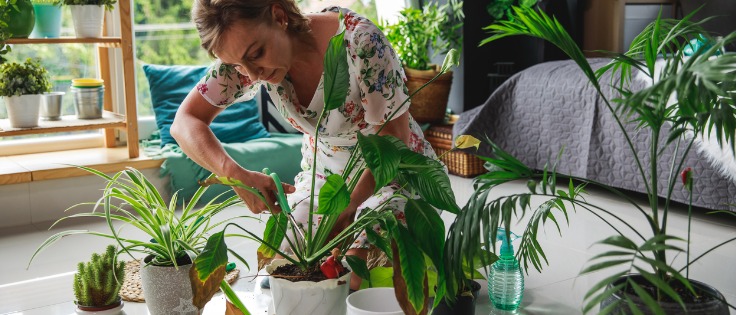
If you’re just beginning your plant-parent journey, the best way to succeed is by choosing indoor plants that thrive on neglect. Think of varieties like the snake plant, which can handle inconsistent watering and dim corners. The ZZ plant is another excellent choice it’s practically indestructible and still manages to look stylish and glossy. And then there’s pothos, a trailing vine that grows quickly and adapts to most indoor conditions. These plants don’t just survive in apartments—they thrive in them, making them perfect companions for busy city life.
2. Utilize Vertical Space with Plant Walls
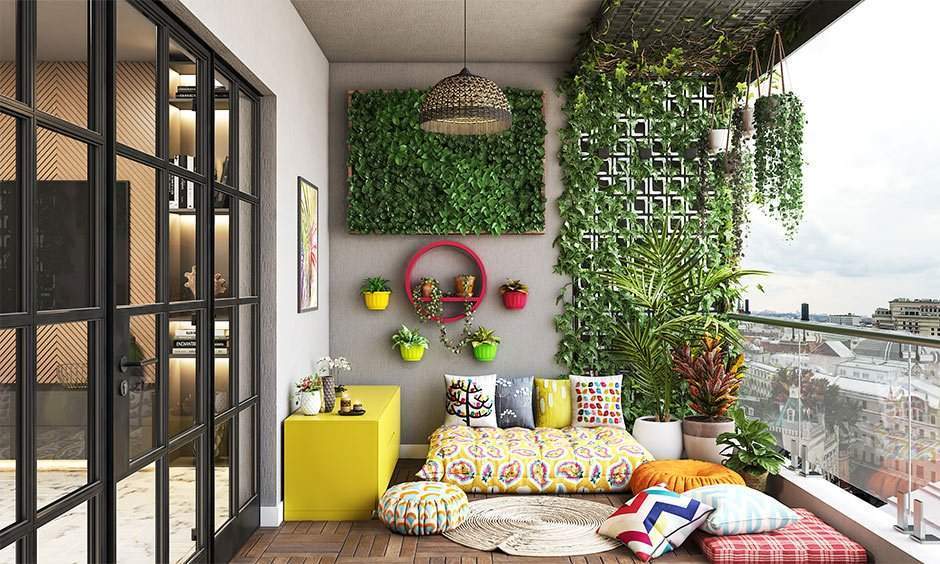
City apartments rarely offer extra square footage, but they do have walls—and those walls can be prime real estate for your plant collection. Vertical gardening not only adds greenery to your home but turns bland surfaces into living art. Whether you install wall-mounted planters, lean a ladder shelf against the wall, or upcycle a wooden pallet into a hanging garden, the goal is the same: elevate your plants to eye level. It’s an efficient way to bring nature indoors while preserving your floor space for essentials.
3. Add Greenery to Your Balcony or Windowsill
Even the smallest outdoor area can become a green haven. A narrow balcony or deep-set window can host a cluster of potted plants, transforming a dull corner into a cheerful garden nook. Choose compact plants like mint, basil, or even cherry tomatoes, and arrange them in railing planters or small tiered stands. If space allows, tuck in a small stool or table and turn your balcony into a cozy morning coffee spot, surrounded by life and color. And if your windows get enough sun, even a simple ledge can host a line of cheerful, fragrant herbs or succulents.
4. Use Hanging Planters and Macramé Holders
When surface space is tight, going vertical is your best friend. Hanging planters offer a beautiful way to keep plants while leaving shelves and counters clear. Macramé holders, with their handcrafted charm, can add texture and movement to your décor. Hang them from curtain rods, ceiling hooks, or even wall brackets near your windows. Plants like pothos, spider plants, and trailing philodendrons look especially beautiful when cascading down from above, adding a natural flow to your space that feels relaxed and effortless.
5. Incorporate Herb Gardens in the Kitchen
There’s something incredibly satisfying about snipping fresh herbs right in your own kitchen. And it’s easier than you might think. If you have a sunny windowsill, line it with small pots of basil, mint, parsley, and thyme. Not only do they add a fresh pop of green, but they also provide delicious, aromatic additions to your meals. For kitchens without natural light, compact hydroponic garden kits offer a soil-free, mess-free way to grow herbs indoors. The gentle glow from these kits even doubles as soft mood lighting in the evenings.
6. Style with Plant Stands and Tiered Shelves
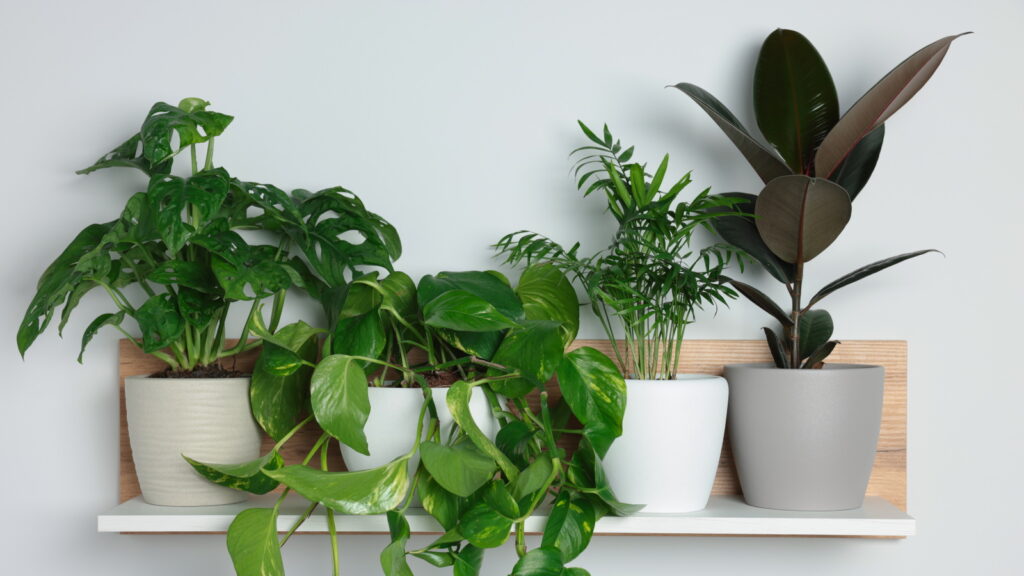
One of the most effective ways to organize plants without cluttering your apartment is to cluster them on stylish plant stands or tiered shelves. This creates a sense of cohesion and transforms your greenery into a decorative feature. A corner that previously felt empty or awkward can come alive with a mix of tall and small plants displayed at various heights. Go for a bamboo stand for a natural, eco-friendly vibe or a sleek metal shelf for a more modern look. Either way, this method brings intentionality to your plant placement while elevating your interior design.
7. Choose Plants That Purify Indoor Air
Not all plants are just about looks—some can improve the air quality inside your home. Air-purifying plants like the peace lily, spider plant, and Boston fern not only add lush foliage to your apartment but also filter out common toxins found in indoor environments. A rubber plant, for example, is great for reducing airborne bacteria and has thick, glossy leaves that make a bold visual statement. By choosing plants that do double duty, you’re creating a space that’s both healthier and more beautiful.
8. Decorate Bathrooms with Moisture-Loving Plants
Bathrooms may be small, but they’re often humid—making them the ideal environment for certain tropical plants. Ferns, bamboo, and calatheas love the moisture and do well even with limited natural light. You can place a pot on the back of the toilet, hang a fern from the ceiling, or line your sink with a few tiny potted orchids. These little touches can make your bathroom feel like a spa, turning your morning routine into something more soothing and serene.
9. Go Green with Artificial Plants (When Necessary)
There’s no shame in using artificial plants—especially in areas where sunlight is scarce or maintenance isn’t realistic. Today’s faux plants are incredibly lifelike and come in a wide variety of sizes and textures. You can mix artificial greenery with real plants to create a fuller, more balanced aesthetic. Just be sure to use real pebbles or moss at the base to give them an authentic touch, and remember to clean them regularly to avoid the dreaded “plastic look.” In dark corners, hallways, or above kitchen cabinets, a well-placed faux plant still provides that calming, natural effect.
10. Use Glass Terrariums and Miniature Gardens
If you love creativity and detail, glass terrariums are a wonderful way to bring greenery indoors in a compact, artistic form. These tiny ecosystems allow you to create your own little worlds inside a jar or globe. Open terrariums are ideal for succulents and cacti, while closed ones work better for mosses and ferns. They look beautiful on coffee tables, bookshelves, or nightstands and require minimal upkeep. Terrariums are also a great DIY project—perfect for weekend crafting or as thoughtful, handmade gifts.
Final Thoughts: Cultivate Your Urban Jungle
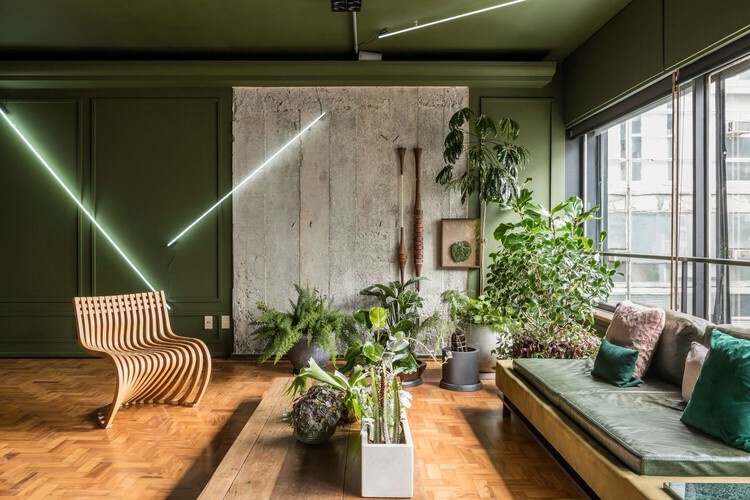
The key to adding greenery to your urban apartment is to think creatively about space and function. Whether you’re filling your windowsill with herbs, hanging a macramé planter in your bedroom, or building a mini jungle in your bathroom, the impact of greenery on your well-being is real. Plants improve air quality, reduce stress, and add a unique, personal character to your home.
In a world that often moves too fast, surrounding yourself with living, breathing elements is a simple way to feel more grounded. So don’t wait for a garden or a backyard—start building your urban jungle today, one pot at a time.