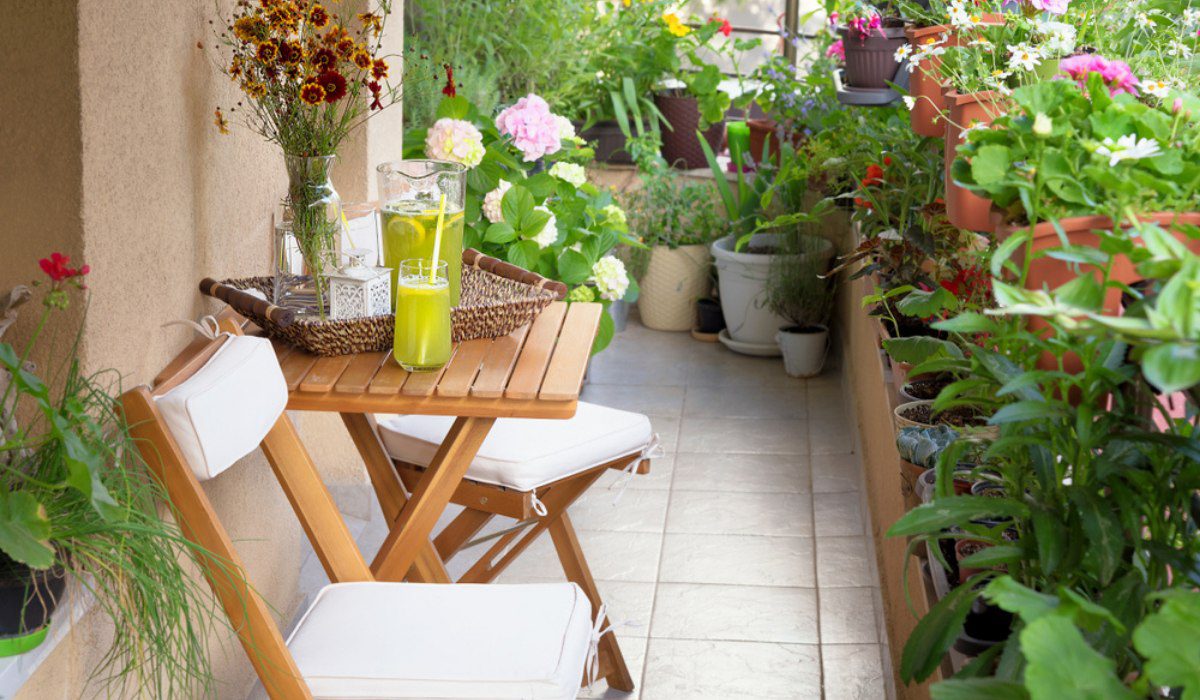
Living in a city apartment often means limited access to green spaces. But having a mini balcony garden can bring the benefits of nature right to your doorstep—adding life, color, and freshness to your home. Even if your balcony is small, with a little planning and creativity, you can transform it into a charming, peaceful garden retreat.
Whether you want a spot to grow your own herbs, a colorful flower nook, or simply a cozy green space to relax, this comprehensive guide will walk you through every step of creating a mini balcony garden in your city apartment.
Assess Your Balcony Space and Conditions
The first step in creating a successful balcony garden is understanding your space. Balconies come in all shapes and sizes, from tiny Juliet balconies to spacious wrap-around terraces. Take time to carefully measure the length, width, and height of your balcony to get a realistic idea of how much space you have to work with.
Besides size, observe how sunlight moves across your balcony throughout the day. This is crucial because different plants require different amounts of light to thrive. A south-facing balcony typically receives full sun for most of the day, perfect for sun-loving plants like tomatoes or lavender. On the other hand, a north-facing balcony might only get a few hours of indirect light, making it better suited for shade-tolerant plants such as ferns or hostas.
Pay attention to weather elements, too. Is your balcony exposed to strong winds or heavy rain? Such conditions can stress plants and damage fragile foliage. If your balcony faces the street, pollution and dust might accumulate on leaves, which means regular cleaning will be necessary. Understanding these environmental factors allows you to choose the right plants and garden accessories that will withstand your balcony’s unique challenges.
Choose Suitable Plants for Your Balcony Garden
Selecting plants that suit your balcony’s conditions is a critical step for success. If your balcony basks in direct sunlight for most of the day, plants that thrive in full sun will reward you with vibrant foliage and abundant blooms. Herbs like basil, rosemary, thyme, and oregano are not only hardy but double as flavorful additions to your cooking. Flowering plants such as geraniums, petunias, and marigolds will burst with color and brighten your outdoor space.
For balconies that receive dappled or indirect sunlight, shade-loving plants become your best friends. Ferns with their delicate fronds, hostas with broad leaves, and climbing ivy can create a lush, green backdrop without needing intense sun exposure. If your balcony is dry and hot, succulents and cacti make excellent choices; their water-storing leaves and spines help them survive drought-like conditions with minimal care.
Don’t forget edible plants! Cherry tomatoes, peppers, and salad greens can be grown in containers and provide fresh ingredients for your kitchen. If space is tight, opt for dwarf or compact varieties bred specifically for container gardening.
Use Space-Saving Solutions
Maximizing the limited space on a balcony is an art. Instead of crowding the floor with pots, think vertically. Hanging planters can be suspended from hooks on the ceiling or balcony railing, providing a layered, cascading effect of greenery without sacrificing floor area. These planters work beautifully with trailing plants like pothos, ivy, or sweet potato vines that can soften the edges of your balcony and add natural privacy.
Wall-mounted planter boxes or vertical garden panels can turn blank walls into lush green canvases. Wooden trellises or metal grids provide support for climbing plants, which can create natural shade and a cozy enclosure. For even more storage, consider tiered plant stands or stacking shelves that allow you to group plants by size and light needs.
Furniture that doubles as planters or storage is also a clever solution. Benches with built-in pots, folding tables with planter inserts, or compact carts on wheels offer versatility and mobility for your garden.
Select the Right Containers and Soil
Choosing containers suitable for balcony gardening involves balancing aesthetics, weight, and plant health. Since balconies—especially those high above ground—can have weight restrictions, lightweight pots made from plastic, fiberglass, or resin are preferred. However, if you love the look of terracotta or ceramic, opt for smaller sizes or those with thin walls.
Drainage is vital for container plants. Ensure every pot has holes at the bottom to prevent waterlogging, which can lead to root rot. To help with drainage, layering the bottom of pots with small stones or broken pottery shards is a tried-and-true gardening tip.
Soil quality makes a huge difference in your plants’ vitality. Avoid using garden soil, which can be too dense and may contain pests. Instead, invest in premium potting mix designed for container gardening. For herbs and vegetables, choose nutrient-rich, organic potting soil that supports growth and retains moisture. Succulents and cacti, meanwhile, need sandy, well-draining soil to mimic their natural arid habitats.
Create a Watering Routine
Watering is one of the most essential aspects of balcony gardening. Unlike ground gardens, container plants dry out more quickly, especially on sunny or windy balconies. Overwatering, however, is a common mistake and can be just as harmful as underwatering.
Establishing a consistent watering schedule tailored to your plants’ needs and the weather conditions is key. For example, during hot summer months, herbs may need watering every day, while succulents might only require once a week. The best way to check if a plant needs water is to feel the soil about an inch below the surface; if it feels dry, it’s time to water.
Using self-watering pots or setting up drip irrigation systems can simplify your routine, especially if you travel often. These systems ensure a steady supply of moisture without the risk of drowning your plants. Remember, good drainage and watering go hand-in-hand; never let water pool at the base of pots or on the balcony floor.
Add Functional and Decorative Elements
A balcony garden is more than just plants—it’s a small retreat in your urban environment. Making the space inviting encourages you to spend more time outdoors, reaping the benefits of your green oasis.
Consider adding a foldable chair or compact bench so you can sit comfortably amid your plants. Soft cushions or a small outdoor rug add texture and warmth, while string lights or solar-powered lanterns create a cozy ambiance for evenings.
Mirrors placed strategically can make your balcony feel larger and reflect greenery, amplifying the garden effect. Small side tables or shelves not only serve practical purposes but give you spots to place a cup of coffee, a book, or garden tools.
Decorative pots in various shapes and colors can complement your apartment’s style, whether modern minimalist or rustic bohemian. Personal touches like wind chimes, garden statues, or colorful plant markers can also give your balcony personality.
Protect Your Plants from City Challenges
Living in the city comes with unique challenges for gardeners. Dust, pollution, and sudden temperature changes can affect plant health. Regularly rinsing your plants’ leaves with water helps remove dust and pollutants that block sunlight and hinder photosynthesis.
To combat pests without harsh chemicals, opt for organic solutions such as neem oil sprays or insecticidal soaps. Companion planting—growing certain plants together that repel insects—can be an effective natural deterrent as well.
During colder months, sensitive plants should be moved indoors or covered with frost cloths to protect them from freezing temperatures. Using portable plant stands or lightweight containers makes relocation easier.
Maintain and Enjoy Your Balcony Garden
Gardening is an ongoing process. Regular maintenance like pruning dead leaves, fertilizing plants every few weeks, and rotating pots for even sunlight exposure ensures your balcony garden stays healthy and beautiful.
Keep a small journal or use a gardening app to track watering, feeding schedules, and plant growth. This helps you notice patterns and address issues before they become serious problems.
Above all, take time to relax and enjoy your green space. Whether it’s meditating among the leaves, reading a book surrounded by flowers, or harvesting fresh herbs for dinner, your balcony garden can become your personal sanctuary amid city life.
Final Thoughts
Creating a mini balcony garden in a city apartment is a rewarding way to reconnect with nature without leaving your home. With thoughtful planning, the right plants, and simple care routines, even the smallest balcony can flourish with greenery.
By embracing vertical space, selecting suitable containers, and adding cozy touches, you’re not just growing plants—you’re cultivating peace, beauty, and a slice of nature in the urban jungle. Start small, experiment, and watch your balcony garden bloom into a lush retreat that enriches your daily life.